
Гранит - ерекше беріктігі, тығыздығы, беріктігі және коррозияға төзімділігі үшін қазып алынатын магмалық тау жынысының бір түрі. Бірақ гранит сонымен қатар өте жан-жақты - ол тек шаршылар мен тіктөртбұрыштар үшін ғана емес! Шын мәнінде, біз барлық вариациялардың пішіндерінде, бұрыштарында және қисықтарында жасалған гранит компоненттерімен үнемі сенімді түрде жұмыс істейміз - тамаша нәтижелермен.
Біздің заманауи өңдеу технологиямыздың арқасында кесілген беттер ерекше тегіс бола алады. Бұл қасиеттер гранитті тапсырыс бойынша өлшемді және тапсырыс бойынша дизайндағы машина негіздері мен метрологиялық компоненттерді жасау үшін тамаша материал етеді. Гранит дегеніміз:
■ өңделетін
■ кесілген және өңделген кезде дәл тегіс
■ тот баспайтын
■ берік
■ ұзақ мерзімді
Граниттен жасалған бөлшектерді тазалау да оңай. Жеке дизайн жасаған кезде, оның артықшылықтары үшін гранитті таңдағаныңызға көз жеткізіңіз.
СТАНДАРТТАР / ЖОҒАРЫ ТОЗУҒА ҚОЛДАНУ
ZHHIMG компаниясы стандартты беттік пластина өнімдері үшін пайдаланатын граниттің құрамында кварц мөлшері жоғары, бұл тозуға және зақымдалуға төзімділікті арттырады. Біздің Superior Black түстеріміз суды сіңіру жылдамдығы төмен, бұл дәлдік өлшеуіштеріңіздің пластиналарға орнатылған кезде тот басуын азайтады. ZHHIMG ұсынатын гранит түстері жарқырауды азайтады, бұл пластиналарды пайдаланатын адамдар үшін көздің шаршауын азайтады. Біз гранит түрлерін таңдадық, бұл аспектіні минималды ұстау үшін термиялық кеңеюді ескере отырып.
ТАПСЫРЫС ӨТІНІМДЕРІ
Егер сіздің қолданбаңызда арнайы пішіндері, бұрандалы кірістері, ойықтары немесе басқа да өңдеу әдістері бар пластина қажет болса, сіз Black Jinan Black сияқты материалды таңдағыңыз келеді. Бұл табиғи материал жоғары қаттылықты, тамаша дірілді басуды және жақсартылған өңдеу мүмкіндігін ұсынады.
Түстің өзі тастың физикалық қасиеттерінің көрсеткіші емес екенін ескеру маңызды. Жалпы, граниттің түсі минералдардың болуымен немесе болмауымен тікелей байланысты, бұл жақсы беттік пластина материалын құрайтын қасиеттерге ешқандай әсер етпеуі мүмкін. Беттік пластиналар үшін өте қолайлы қызғылт, сұр және қара граниттер, сондай-ақ дәл қолдануға мүлдем жарамсыз қара, сұр және қызғылт граниттер бар. Граниттің беттік пластина материалы ретінде қолдануға қатысты маңызды сипаттамалары түспен ешқандай байланысы жоқ және келесідей:
■ Қаттылық (жүктеме астындағы ауытқу - Серпімділік модулімен көрсетілген)
■ Қаттылық
■ Тығыздық
■ Тозуға төзімділік
■ Тұрақтылық
■ Кеуектілік
Біз көптеген гранит материалдарын сынап көрдік және оларды салыстырдық. Ақырында, Цзинань қара граниті біз білетін ең жақсы материал екені анықталды. Үнді қара граниті мен Оңтүстік Африка граниті Цзинань қара гранитіне ұқсас, бірақ олардың физикалық қасиеттері Цзинань қара гранитіне қарағанда аз. ZHHIMG әлемдегі көбірек гранит материалдарын іздеуді және олардың физикалық қасиеттерін салыстыруды жалғастырады.
Жобаңызға сәйкес келетін гранит туралы көбірек білу үшін бізбен хабарласыңызinfo@zhhimg.com.
Әртүрлі өндірушілер әртүрлі стандарттарды қолданады. Әлемде көптеген стандарттар бар.
Олардың сипаттамаларының негізі ретінде DIN стандарты, ASME B89.3.7-2013 немесе GGG-P-463c федералдық сипаттамасы (Гранит беттік плиталары) және т.б. қолданылады.
Біз сіздің талаптарыңызға сәйкес гранитті дәлдікпен тексеру тақтасын жасай аламыз. Қосымша стандарттар туралы көбірек ақпарат алғыңыз келсе, бізбен хабарласыңыз.
Жазықтықты беттің барлық нүктелерінің екі параллель жазықтықта, негізгі жазықтықта және шатыр жазықтығында орналасуы деп қарастыруға болады. Жазықтықтар арасындағы қашықтықты өлшеу беттің жалпы жазықтығы болып табылады. Бұл жазықтық өлшемі әдетте төзімділікке ие және сынып белгілеуін қамтуы мүмкін.
Мысалы, үш стандартты баға үшін жазықтық төзімділігі федералды сипаттамада келесі формуламен анықталғандай анықталады:
■ Зертханалық дәреже AA = (40 + диагональ бойынша квадрат/25) x .000001" (бір жақты)
■ Тексеру сыныбы А = Зертханалық сыныбы АА x 2
■ Құрал-жабдықтар бөлмесінің B дәрежесі = Зертхананың AA дәрежесі x 4.
Стандартты өлшемдегі беттік пластиналар үшін біз осы сипаттаманың талаптарынан асатын жазықтық төзімділігіне кепілдік береміз. Жазықтықтан басқа, ASME B89.3.7-2013 және GGG-P-463c федералдық сипаттамасы келесі тақырыптарды қамтиды: қайталанатын өлшеу дәлдігі, беттік пластина граниттерінің материалдық қасиеттері, беттік өңдеу, тірек нүктесінің орналасуы, қаттылық, тексерудің қолайлы әдістері, бұрандалы кірістірулерді орнату және т.б.
ZHHIMG гранит беттік плиталары және гранит тексеру плиталары осы сипаттамада көрсетілген барлық талаптарға сәйкес келеді немесе олардан асып түседі. Қазіргі уақытта гранит бұрыштық плиталары, параллельдер немесе негізгі квадраттар үшін нақты сипаттама жоқ.
Басқа стандарттарға арналған формулаларды мына жерден таба аласызЖҮКТЕП АЛУ.
Біріншіден, пластинаны таза ұстау маңызды. Ауадағы абразивті шаң әдетте пластинаның тозуының ең үлкен көзі болып табылады, себебі ол жұмыс бөліктеріне және өлшеуіштердің жанасу беттеріне сіңіп кетеді. Екіншіден, пластинаны шаң мен зақымданудан қорғау үшін жабыңыз. Тозу мерзімін пластинаны пайдаланбаған кезде жабу, бір аймақ шамадан тыс пайдаланылмауы үшін пластинаны мезгіл-мезгіл айналдыру және өлшеуіштегі болат жанасу төсемдерін карбид төсемдерімен ауыстыру арқылы ұзартуға болады. Сондай-ақ, пластинаға тамақ немесе алкогольсіз сусындарды қоюдан аулақ болыңыз. Көптеген алкогольсіз сусындардың құрамында көміртегі немесе фосфор қышқылы бар екенін ескеріңіз, ол жұмсақ минералдарды ерітіп, бетінде ұсақ шұңқырлар қалдыруы мүмкін.
Бұл тәрелкенің қалай пайдаланылып жатқанына байланысты. Мүмкін болса, тәрелкені күннің басында (немесе жұмыс ауысымында) және соңында қайтадан тазалауды ұсынамыз. Егер тәрелке ластанса, әсіресе майлы немесе жабысқақ сұйықтықтармен, оны дереу тазалау керек.
Пластинаны сұйық немесе ZHHIMG сусыз беттік пластина тазартқышымен үнемі тазалап отырыңыз. Тазалау ерітінділерін таңдау маңызды. Егер ұшпа еріткіш (ацетон, лак еріткіш, спирт және т.б.) қолданылса, булану бетті салқындатып, оны бұрмалайды. Бұл жағдайда, қолданар алдында пластинаның қалыпқа келуіне мүмкіндік беру қажет, әйтпесе өлшеу қателіктері орын алады.
Пластинаның қалыпқа келуіне қажетті уақыт пластинаның өлшеміне және салқындату мөлшеріне байланысты өзгереді. Кішігірім пластиналар үшін бір сағат жеткілікті болуы керек. Үлкенірек пластиналар үшін екі сағат қажет болуы мүмкін. Егер су негізіндегі тазартқыш қолданылса, булану арқылы салқындату да болады.
Пластина суды ұстап қалады, бұл металл бөлшектердің бетімен жанасқанда тот басуына әкелуі мүмкін. Кейбір тазалағыштар кепкеннен кейін жабысқақ қалдық қалдырады, бұл ауадағы шаңды тартып, тозуды азайтпай, керісінше арттырады.
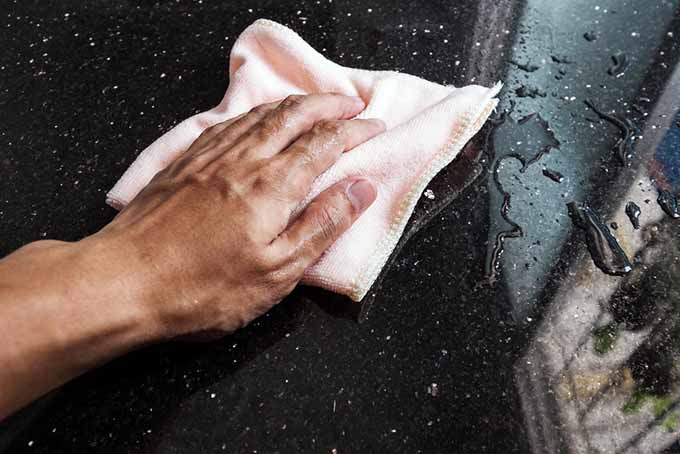
Бұл пластинаны пайдалану мен қоршаған ортаға байланысты. Жаңа пластинаны немесе дәл граниттен жасалған аксессуарды сатып алғаннан кейін бір жыл ішінде толық қайта калибрлеуден өткізуді ұсынамыз. Егер гранит беттік пластинасы көп пайдаланылатын болса, бұл аралықты алты айға дейін қысқарту ұсынылады. Электрондық деңгейді немесе осыған ұқсас құрылғыны пайдаланып қайталанатын өлшеу қателіктерін ай сайын тексеру кез келген тозу дақтарын көрсетеді және оны орындау үшін бірнеше минут қана кетеді. Бірінші қайта калибрлеу нәтижелері анықталғаннан кейін, калибрлеу аралығы сіздің ішкі сапа жүйеңіз рұқсат еткен немесе талап еткендей ұзартылуы немесе қысқартылуы мүмкін.
Біз сізге гранит беткі тақтайшаңызды тексеруге және калибрлеуге көмектесетін қызмет ұсына аламыз.

Калибрлеулер арасындағы ауытқулардың бірнеше себептері болуы мүмкін:
- Беті калибрлеу алдында ыстық немесе суық ерітіндімен жуылды және қалыпқа келтіру үшін жеткілікті уақыт берілмеді.
- Пластина дұрыс емес тірелген
- Температураның өзгеруі
- Жобалар
- Тікелей күн сәулесі немесе басқа да жылу сәулелері плитаның бетіне түсуі керек. Жоғарыдан түсетін жарықтың бетті қыздырмайтынына көз жеткізіңіз.
- Қыс пен жаз аралығындағы тік температура градиентінің ауытқулары (мүмкін болса, калибрлеу кезіндегі тік градиент температурасын біліңіз.)
- Тасымалданғаннан кейін пластинаның қалыпқа келуіне жеткілікті уақыт берілмеді
- Тексеру жабдықтарын дұрыс пайдаланбау немесе калибрленбеген жабдықты пайдалану
- Тозудан туындайтын беткі қабаттың өзгеруі
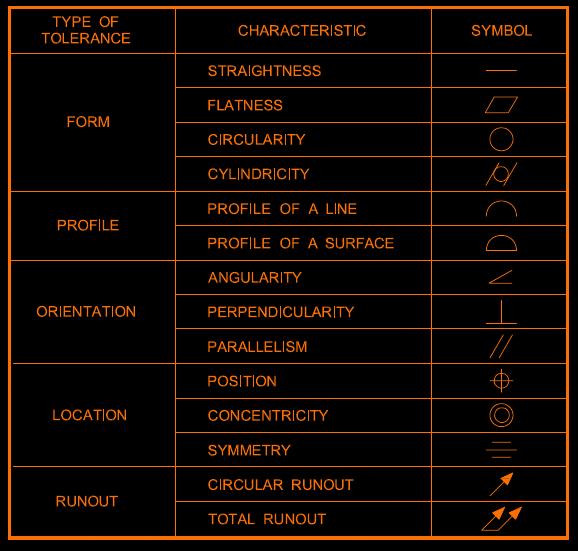
Дәл гранитте қанша түрлі тесік бар?
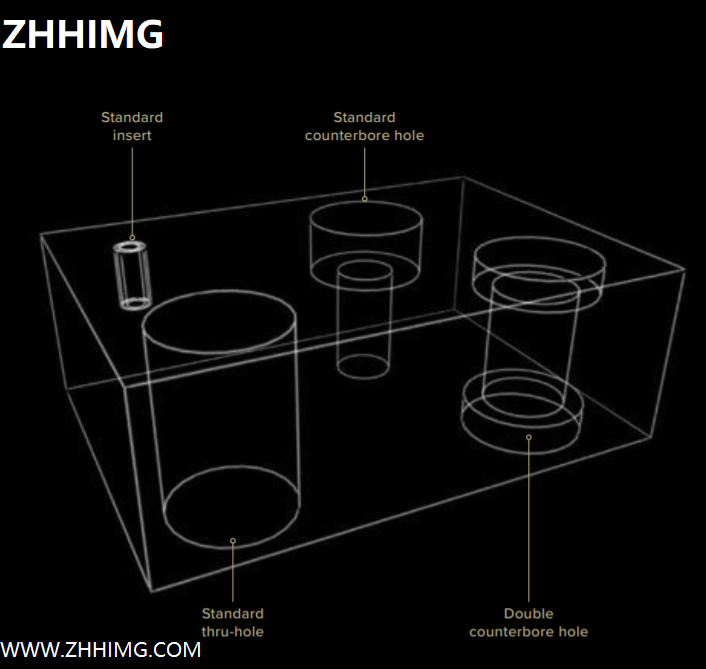
Дәлме-дәл гранит компоненттеріндегі ұялар
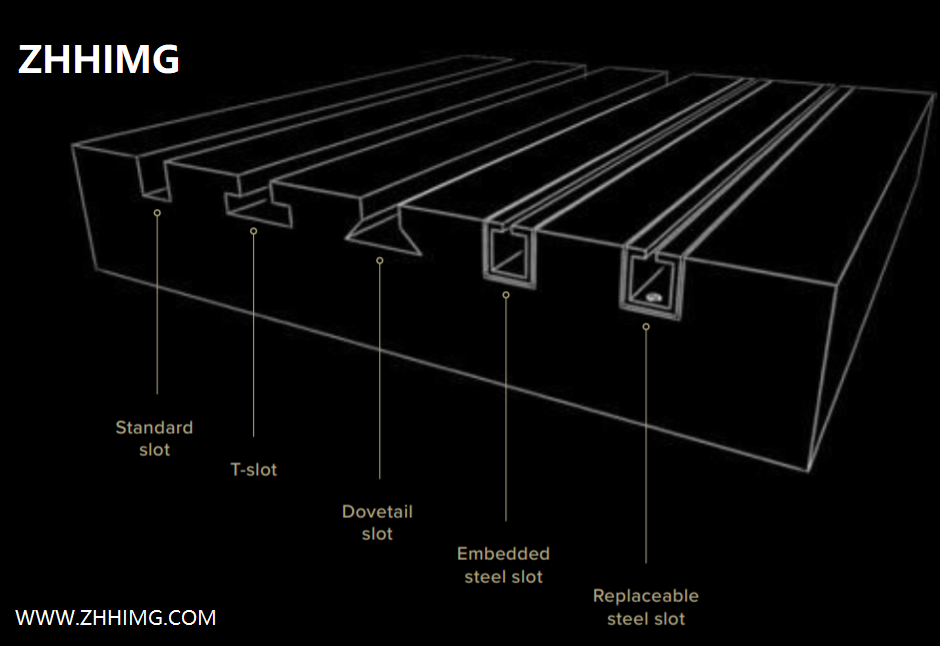
Көптеген зауыттар, тексеру бөлмелері мен зертханалар үшін дәл өлшеу негізі ретінде дәл гранит беттік плиталары қолданылады. Әрбір сызықтық өлшеу соңғы өлшемдер алынатын дәл анықтамалық бетке байланысты болғандықтан, беттік плиталар өңдеу алдында жұмысты тексеру және орналасу үшін ең жақсы анықтамалық жазықтықты қамтамасыз етеді. Олар сондай-ақ биіктік өлшеулерін және беттерді өлшеу үшін тамаша негіз болып табылады. Сонымен қатар, жоғары деңгейдегі тегістік, тұрақтылық, жалпы сапа және өңдеу оларды күрделі механикалық, электрондық және оптикалық өлшеу жүйелерін орнату үшін жақсы таңдау етеді. Осы өлшеу процестерінің кез келгені үшін беттік плиталарды калибрлеу өте маңызды.
Өлшеулерді және жазықтықты қайталаңыз
Дәл бетті қамтамасыз ету үшін жазықтық та, қайталанатын өлшеулер де маңызды. Жазықтықты беттің барлық нүктелерінің екі параллель жазықтықта, негізгі жазықтықта және шатыр жазықтығында орналасуы ретінде қарастыруға болады. Жазықтықтар арасындағы қашықтықты өлшеу беттің жалпы жазықтығы болып табылады. Бұл жазықтық өлшемі әдетте төзімділікке ие және сынып белгілеуін қамтуы мүмкін.
Үш стандартты баға үшін жазықтық төзімділігі федералды сипаттамада келесі формуламен анықталғандай анықталады:
DIN стандарты, GB стандарты, ASME стандарты, JJS стандарты... әртүрлі стендтері бар әр түрлі елдер...
Жазықтықтан басқа, қайталанымдылықты қамтамасыз ету қажет. Қайталанатын өлшеу - бұл жергілікті жазықтық аудандарын өлшеу. Бұл пластинаның бетіндегі кез келген жерде алынған және көрсетілген төзімділік шегінде қайталанатын өлшеу. Жергілікті жазықтықты жалпы жазықтыққа қарағанда қатаңырақ төзімділікке дейін басқару бетінің жазықтық профилінің біртіндеп өзгеруіне кепілдік береді, осылайша жергілікті қателіктерді азайтады.
Беттік пластинаның жазықтыққа да, қайталанатын өлшеу сипаттамаларына да сәйкес келуін қамтамасыз ету үшін гранит беттік пластиналарын өндірушілер өз сипаттамаларының негізі ретінде GGG-P-463c федералдық сипаттамасын пайдалануы керек. Бұл стандарт қайталанатын өлшеу дәлдігін, беттік пластина гранитінің материалдық қасиеттерін, беттік өңдеуді, тірек нүктесінің орналасуын, қаттылығын, бұрандалы кірістірулерді тексерудің және орнатудың қолайлы әдістерін қарастырады.
Пластинаның дәлдігін тексеру
Бірнеше қарапайым нұсқауларды орындау арқылы гранит беттік тақтайшаға салынған инвестиция көптеген жылдарға созылуы керек. Пластинаны пайдалануға, цех ортасына және қажетті дәлдікке байланысты беттік тақтайшаның дәлдігін тексеру жиілігі әртүрлі болады. Жалпы ереже бойынша, жаңа тақтайша сатып алынғаннан кейін бір жыл ішінде толық қайта калибрленуі керек. Егер тақтайша жиі пайдаланылса, бұл аралықты алты айға дейін қысқарту ұсынылады.
Беттік пластина жалпы тегістікке арналған сипаттамадан тыс тозғанға дейін, ол тозған немесе толқынды бағаналарды көрсетеді. Қайталанатын өлшеуішті пайдаланып қайталанатын өлшеу қателіктерін ай сайын тексеру тозу дақтарын анықтайды. Қайталанатын өлшеуіш - жергілікті қатені анықтайтын және жоғары үлкейткішті электрондық күшейткіште көрсетілетін жоғары дәлдіктегі құрал.
Тиімді тексеру бағдарламасына автоколлиматормен үнемі тексерулер кіруі керек, бұл Ұлттық стандарттар және технологиялар институты (NIST) арқылы бақыланатын жалпы жазықтықты нақты калибрлеуді қамтамасыз етеді. Өндірушінің немесе тәуелсіз компанияның кешенді калибрлеуі уақыт өте келе қажет.
Калибрлеулер арасындағы вариациялар
Кейбір жағдайларда беттік пластиналарды калибрлеу арасында айырмашылықтар болады. Кейде тозудан туындаған беттің өзгеруі, тексеру жабдықтарын дұрыс пайдаланбау немесе калибрленбеген жабдықты пайдалану сияқты факторлар бұл айырмашылықтарды түсіндіруі мүмкін. Дегенмен, ең көп таралған екі фактор - температура және тірек.
Ең маңызды айнымалылардың бірі - температура. Мысалы, беті калибрлеу алдында ыстық немесе суық ерітіндімен жуылып, қалыпқа келуге жеткілікті уақыт берілмеген болуы мүмкін. Температураның өзгеруінің басқа себептеріне суық немесе ыстық ауаның желдері, тікелей күн сәулесі, төбедегі жарықтандыру немесе пластина бетіндегі басқа сәулелі жылу көздері жатады.
Қыс пен жаз аралығында тік температура градиентінде де ауытқулар болуы мүмкін. Кейбір жағдайларда, пластинаға жөнелтілгеннен кейін қалыпқа келуге жеткілікті уақыт берілмейді. Калибрлеу кезінде тік градиент температурасын жазып алған дұрыс.
Калибрлеу ауытқуының тағы бір кең таралған себебі - дұрыс емес тірелген пластина. Беттік пластина үш нүктеден тірелуі керек, ең дұрысы пластинаның ұштарынан ұзындығының 20%-ы қашықтықта орналасуы керек. Екі тіреуіш ұзын бүйірлерінен енінің 20%-ы қашықтықта орналасуы керек, ал қалған тіреуіш орталықта орналасуы керек.
Тек үш нүкте дәлдік бетінен басқа кез келген нәрсеге берік тірелуі мүмкін. Пластинаны үш нүктеден артық тіреуге тырысу пластинаның үш нүктенің әртүрлі комбинацияларынан тірелуіне әкеледі, бұл өндіріс кезінде тірелген үш нүктемен бірдей болмайды. Бұл пластина жаңа тірек орналасуына сәйкес келу үшін ауытқыған кезде қателіктерге әкеледі. Тиісті тірек нүктелерімен бір сызыққа тураланатындай етіп жасалған тірек арқалықтары бар болат тіректерді пайдалануды қарастырыңыз. Бұл мақсатқа арналған тіректерді әдетте беттік пластина өндірушісінен алуға болады.
Егер пластина дұрыс тірелген болса, дәл тегістеу тек қолданба көрсеткен жағдайда ғана қажет. Дұрыс тірелген пластинаның дәлдігін сақтау үшін тегістеу қажет емес.
Пластинаның қызмет ету мерзімін ұзарту
Бірнеше нұсқауларды орындау гранит бетінің тозуын азайтады және сайып келгенде, оның қызмет ету мерзімін ұзартады.
Біріншіден, пластинаны таза ұстау маңызды. Ауадағы абразивті шаң әдетте пластинаның тозуының ең үлкен көзі болып табылады, себебі ол дайындамаларға және өлшеуіштердің жанасу беттеріне сіңіп кетеді.
Сондай-ақ, плиталарды шаң мен зақымданудан қорғау үшін жабу маңызды. Пайдаланылмаған кезде плитаны жабу арқылы тозу мерзімін ұзартуға болады.
Пластинаны мезгіл-мезгіл айналдырып отырыңыз, сонда бір аймақ шамадан тыс пайдаланылмайды. Сондай-ақ, өлшеуіштердегі болат байланыс төсеніштерін карбид төсеніштерімен ауыстыру ұсынылады.
Тағамды немесе алкогольсіз сусындарды тәрелкеге қоюдан аулақ болыңыз. Көптеген алкогольсіз сусындардың құрамында көмірқышқыл немесе фосфор қышқылы болады, олар жұмсақ минералдарды ерітіп, бетінде ұсақ шұңқырлар қалдыруы мүмкін.
Қайда қайталау керек
Гранит беткі пластинасын қайта жабу қажет болған кезде, бұл қызметті жұмыс орнында немесе калибрлеу орнында орындауды қарастырыңыз. Пластинаны зауытта немесе арнайы мекемеде қайта жабу әрқашан жақсырақ. Дегенмен, егер пластина тым қатты тозбаса, әдетте қажетті төзімділік шегінен 0,001 дюйм шегінде болса, оны сол жерде қайта жабуға болады. Егер пластина төзімділік шегінен 0,001 дюймнен асатындай етіп тозса немесе ол қатты ойықталған немесе тесілген болса, онда оны қайта жабу алдында зауытқа тегістеу үшін жіберу керек.
Калибрлеу қондырғысында пластинаны дұрыс калибрлеу және қажет болған жағдайда қайта өңдеу үшін оңтайлы жағдайларды қамтамасыз ететін жабдық пен зауыттық параметрлер бар.
Орындық калибрлеу және бетін қайта өңдеу бойынша техникті таңдауда өте мұқият болу керек. Аккредитация сұраңыз және техник пайдаланатын жабдықтың бақыланатын калибрлеуіне ие екенін тексеріңіз. Тәжірибе де маңызды фактор болып табылады, себебі дәл гранитті қалай дұрыс төсеу керектігін үйрену үшін көп жылдар қажет.
Маңызды өлшеулер дәл гранитті беттік пластинаны негіз ретінде пайдаланудан басталады. Дұрыс калибрленген беттік пластинаны пайдалану арқылы сенімді анықтаманы қамтамасыз ету арқылы өндірушілер сенімді өлшеулер мен сапалы бөлшектер үшін маңызды құралдардың біріне ие.Q
Калибрлеу вариацияларына арналған тексеру тізімі
1. Калибрлеу алдында беті ыстық немесе суық ерітіндімен жуылды және қалыпқа келтіру үшін жеткілікті уақыт берілмеді.
2. Пластина дұрыс тірелмеген.
3. Температураның өзгеруі.
4. Жобалар.
5. Пластинаның бетіне тікелей күн сәулесі немесе басқа да жылу сәулелері түспеңіз. Жоғарыдан түсетін жарықтың бетті қыздырмайтынына көз жеткізіңіз.
6. Қыс пен жаз аралығындағы тік температура градиентінің ауытқулары. Мүмкін болса, калибрлеу жүргізілген кездегі тік градиент температурасын біліңіз.
7. Тасымалданғаннан кейін пластинаның қалыпқа келуіне жеткілікті уақыт берілмеді.
8. Тексеру жабдықтарын дұрыс пайдаланбау немесе калибрленбеген жабдықты пайдалану.
9. Тозу нәтижесінде пайда болатын беткі өзгеріс.
Техникалық кеңестер
- Әрбір сызықтық өлшеу соңғы өлшемдер алынатын дәл анықтамалық бетке байланысты болғандықтан, беттік тақталар өңдеу алдында жұмысты тексеру және орналастыру үшін ең жақсы анықтамалық жазықтықты қамтамасыз етеді.
- Жергілікті жазықтықты жалпы жазықтыққа қарағанда қатаңырақ төзімділікке дейін басқару беткі жазықтық профилінің біртіндеп өзгеруін қамтамасыз етеді, осылайша жергілікті қателіктерді азайтады.
- Тиімді тексеру бағдарламасына автоколлиматормен үнемі тексерулер кіруі керек, бұл Ұлттық инспекция органына бақылауға болатын жалпы жазықтықты нақты калибрлеуді қамтамасыз етеді.
Гранитті құрайтын минералды бөлшектердің ішінде 90%-дан астамы дала шпаты мен кварцтан тұрады, олардың ішінде дала шпаты ең көп кездеседі. Дала шпаты көбінесе ақ, сұр және ет қызыл болады, ал кварц негізінен түссіз немесе сұрғылт ақ түсті болады, олар граниттің негізгі түсін құрайды. Дала шпаты мен кварц қатты минералдар болып табылады және оларды болат пышақпен жылжыту қиын. Граниттегі қара дақтарға, негізінен қара слюдаға келетін болсақ, басқа да минералдар бар. Биотит салыстырмалы түрде жұмсақ болғанымен, оның кернеуге төтеп беру қабілеті әлсіз емес, сонымен бірге оларда граниттің аз мөлшері бар, көбінесе 10%-дан аз. Бұл граниттің ерекше берік болатын материалдық жағдайы.
Граниттің берік болуының тағы бір себебі - оның минералды бөлшектері бір-бірімен тығыз байланысқан және бір-біріне сіңіп кеткен. Кеуектер көбінесе тау жыныстарының жалпы көлемінің 1%-дан азын құрайды. Бұл гранитке күшті қысымға төтеп беруге мүмкіндік береді және ылғалдың оңай енуіне жол бермейді.
Гранит компоненттері тот баспайтын, қышқыл мен сілтіге төзімді, жақсы тозуға төзімді және ұзақ қызмет ету мерзімі бар тастан жасалған, арнайы күтімді қажет етпейді. Гранит дәлдік компоненттері көбінесе машина жасау өнеркәсібінің құрал-саймандарында қолданылады. Сондықтан олар гранит дәлдік компоненттері немесе гранит компоненттері деп аталады. Гранит дәлдік компоненттерінің сипаттамалары негізінен гранит платформаларының сипаттамаларымен бірдей. Гранит дәлдік компоненттерін құрал-саймандармен және өлшеумен таныстыру: Дәл өңдеу және микро өңдеу технологиясы машина жасау өнеркәсібінің маңызды даму бағыттары болып табылады және олар жоғары технологиялық деңгейді өлшеудің маңызды көрсеткішіне айналды. Заманауи технологиялар мен қорғаныс өнеркәсібінің дамуы дәл өңдеу және микроөңдеу технологиясынан ажырамас. Гранит компоненттерін өлшеу кезінде тоқыраусыз тегіс сырғытуға болады. Жұмыс бетін өлшеу, жалпы сызаттар өлшеу дәлдігіне әсер етпейді. Гранит компоненттерін сұраныс жағының талаптарына сәйкес жобалау және өндіру қажет.
Қолдану өрісі:
Біз бәрімізге белгілі, барған сайын көбірек машиналар мен жабдықтар дәл гранит компоненттерін таңдайды.
Гранит компоненттері динамикалық қозғалыс, сызықтық қозғалтқыштар, cmm, cnc, лазерлік машиналар үшін қолданылады...
қосымша ақпарат алу үшін бізбен хабарласуға қош келдіңіз.
Гранит өлшеу құралдары мен гранит механикалық компоненттері жоғары сапалы Цзинань қара гранитінен жасалған. Жоғары дәлдігі, ұзақ қызмет ету мерзімі, жақсы тұрақтылығы және коррозияға төзімділігінің арқасында олар заманауи өнеркәсіптің өнімдерін тексеруде және механикалық авиация және ғылыми зерттеулер сияқты ғылыми салаларда жиі қолданылып келеді.
Артықшылықтары
----Шойыннан екі есе қатты;
----Өлшемнің минималды өзгерістері температураның өзгеруіне байланысты;
---- Сығымдалмайды, сондықтан жұмыс үзіліссіз;
----Ұсақ түйіршікті құрылымы мен аздап жабысқақтығының арқасында қылшықтар немесе шығыңқы жерлер жоқ, бұл ұзақ қызмет ету мерзімі ішінде жоғары тегістікті қамтамасыз етеді және басқа бөлшектерге немесе құралдарға зақым келтірмейді;
----Магниттік материалдармен жұмыс істеу кезінде ақаусыз жұмыс;
----Ұзақ қызмет ету мерзімі және тот баспауы, бұл техникалық қызмет көрсету шығындарын азайтады.
Дәлдікке жету үшін гранит беткі тақталары жоғары тегістік стандартына дейін дәлдікпен өңделген және күрделі механикалық, электрондық және оптикалық өлшеу жүйелерін орнату үшін негіз ретінде қолданылады.
Гранит бетінің кейбір ерекше ерекшеліктері:
Қаттылықтағы біркелкілік;
Жүктеме астындағы дәл жағдайлар;
Діріл сіңіргіш;
Тазалау оңай;
Орамаға төзімді;
Төмен кеуектілік;
Абразивті емес;
Магниттік емес
Гранит бетінің артықшылықтары
Біріншіден, ұзақ уақыт бойы табиғи қартаюдан кейін тау жыныстары біркелкі құрылымға ие, коэффициент минималды, ішкі кернеу толығымен жоғалады, деформацияланбайды, сондықтан дәлдік жоғары.
Екіншіден, тұрақты температура жағдайында сызаттар болмайды, бөлме температурасында температураны өлшеу дәлдігін де сақтай алады.
Үшіншіден, магниттелмейді, өлшеу тегіс қозғалыс болуы мүмкін, сықырлау сезімі жоқ, ылғал әсер етпейді, жазықтық бекітілген.
Төртіншіден, қаттылығы жақсы, қаттылығы жоғары, тозуға төзімділігі күшті.
Бесіншіден, қышқылдан, сілтілі сұйықтық эрозиясынан қорықпайды, тот баспайды, маймен бояудың қажеті жоқ, жабысқақ микрошаңға оңай жабыспайды, күтім жасау оңай, ұзақ қызмет ету мерзімі бар.
Неліктен шойын машина төсегінің орнына гранит негізін таңдау керек?
1. Гранит машинасының негізі шойын машинасының негізіне қарағанда жоғары дәлдікті сақтай алады. Шойын машинасының негізі температура мен ылғалдылыққа оңай әсер етеді, бірақ гранит машинасының негізі әсер етпейді;
2. Гранит машинасының негізі мен шойын негізінің өлшемі бірдей болғандықтан, гранит машинасының негізі шойыннан гөрі тиімдірек;
3. Арнайы граниттен жасалған станок негізін шойын станок негізіне қарағанда өңдеу оңайырақ.
Гранит беттік пластиналар ел бойынша тексеру зертханаларындағы негізгі құралдар болып табылады. Беттік пластинаның калибрленген, өте тегіс беті инспекторларға оларды бөлшектерді тексеру және құралдарды калибрлеу үшін негізгі сызба ретінде пайдалануға мүмкіндік береді. Беттік пластиналар қамтамасыз ететін тұрақтылық болмаса, әртүрлі технологиялық және медициналық салалардағы көптеген тығыз төзімді бөлшектерді дұрыс өндіру әлдеқайда қиын, тіпті мүмкін емес болар еді. Әрине, басқа материалдар мен құралдарды калибрлеу және тексеру үшін гранит беттік блогын пайдалану үшін граниттің өзінің дәлдігін бағалау қажет. Пайдаланушылар гранит беттік пластинасының дәлдігін қамтамасыз ету үшін оны калибрлей алады.
Гранит беткі тақтасын калибрлеу алдында тазалаңыз. Таза, жұмсақ шүберекке аз мөлшерде беткі тақта тазартқышын құйып, гранит бетін сүртіңіз. Тазалағышты беткі тақтадан құрғақ шүберекпен дереу құрғатыңыз. Тазалау сұйықтығының ауада кебуіне жол бермеңіз.
Гранит бетінің ортасына қайталанатын өлшеуішті қойыңыз.
Қайталанатын өлшеуішті гранит пластинасының бетіне нөлге теңестіріңіз.
Өлшеуішті гранит бетімен баяу жылжытыңыз. Өлшеуіштің индикаторын бақылап, аспапты пластина бойымен жылжытқан кезде кез келген биіктік ауытқуларының шыңдарын жазып алыңыз.
Пластинаның бетіндегі жазықтықтың өзгеруін беттік плитаңыздың төзімділік мәндерімен салыстырыңыз, ол плитаның өлшеміне және граниттің жазықтық дәрежесіне байланысты өзгереді. Пластинаның өлшемі мен дәрежесі бойынша жазықтық талаптарына сәйкес келетінін анықтау үшін GGG-P-463c федералдық сипаттамасын қараңыз (Ресурстарды қараңыз). Пластинаның ең биік нүктесі мен ең төменгі нүктесі арасындағы айырмашылық оның жазықтық өлшемі болып табылады.
Пластинаның бетіндегі ең үлкен тереңдік ауытқулары сол өлшемдегі және сыныптағы пластинаның қайталану талаптарына сәйкес келетінін тексеріңіз. Пластинаның өлшемі бойынша қайталану талаптарына сәйкес келетінін анықтау үшін GGG-P-463c федералдық сипаттамасын қараңыз (Ресурстарды қараңыз). Егер бір нүкте де қайталану талаптарына сәйкес келмесе, беттік пластинаны қабылдамаңыз.
Федералдық талаптарға сай келмейтін гранитті беткі тақтаны пайдалануды тоқтатыңыз. Блокты техникалық сипаттамаларға сәйкес қайта жылтырату үшін тақтаны өндірушіге немесе гранитті беткі қабат компаниясына қайтарыңыз.
Кеңес
Жылына кемінде бір рет ресми калибрлеуді орындаңыз, дегенмен көп қолданылатын гранит беттік пластиналарды жиі калибрлеу керек.
Өндіріс немесе тексеру орталарында ресми, жазылатын калибрлеуді көбінесе сапа кепілдігі немесе сыртқы калибрлеу қызметтерін жеткізуші жүргізеді, дегенмен кез келген адам қолданар алдында беткі тақтаны бейресми тексеру үшін қайталанатын өлшеуішті пайдалана алады.
Гранит беттік плиталарының алғашқы тарихы
Екінші дүниежүзілік соғысқа дейін өндірушілер бөлшектердің өлшемдік тексеруі үшін болат беттік плиталарды пайдаланды. Екінші дүниежүзілік соғыс кезінде болатқа деген қажеттілік күрт артты, ал көптеген болат беттік плиталар балқытылды. Оны ауыстыру қажет болды, ал гранит өзінің жоғары метрологиялық қасиеттеріне байланысты таңдаулы материалға айналды.
Граниттің болатқа қарағанда бірнеше артықшылықтары айқын болды. Гранит қаттырақ, бірақ сынғыш және сынғыш болады. Гранитті болатқа қарағанда әлдеқайда тегіс және жылдам етіп жағуға болады. Граниттің болатқа қарағанда термиялық кеңеюі төменірек қасиеті де бар. Сонымен қатар, егер болат пластинаны жөндеу қажет болса, оны станоктарды жөндеуде өз дағдыларын қолданған шеберлер қолмен қырып тастауы керек болды.
Айта кету керек, кейбір болат беттік плиталар бүгінгі күнге дейін қолданыста.
Гранит плиталарының метрологиялық қасиеттері
Гранит - жанартау атқылауынан пайда болған магмалық тау жынысы. Салыстыру үшін, мәрмәр - метаморфталған әктас. Метрологияда қолдану үшін таңдалған гранит енді Fed Specs деп аталатын GGG-P-463c федералдық спецификациясында және атап айтқанда, 3.1-бөлімде көрсетілген нақты талаптарға сай болуы керек. Fed Specs ішінде гранит ұсақ немесе орташа түйіршікті құрылымға ие болуы керек.
Гранит – қатты материал, бірақ оның қаттылығы бірнеше себептерге байланысты өзгереді. Тәжірибелі гранит пластинасының маманы қаттылықты оның түсі бойынша бағалай алады, бұл оның кварц құрамының көрсеткіші болып табылады. Гранит қаттылығы – ішінара кварц құрамының мөлшерімен және слюданың болмауымен анықталатын қасиет. Қызыл және қызғылт граниттер ең қатты, сұрлары орташа қаттылықта, ал қаралары ең жұмсақ.
Тастың икемділігін немесе қаттылығын көрсету үшін Янг серпімділік модулі қолданылады. Қызғылт гранит шкала бойынша орташа есеппен 3-5 балл, сұр түс 5-7 балл және қара түс 7-10 балл. Сан неғұрлым аз болса, гранит соғұрлым қатты болады. Сан неғұрлым үлкен болса, гранит соғұрлым жұмсақ және икемді болады. Төзімділік кластары үшін қажетті қалыңдықты және оған қойылған бөлшектер мен өлшеуіштердің салмағын таңдағанда граниттің қаттылығын білу маңызды.
Ертеде көйлек қалталарындағы триггерлер кестесі бар кітапшаларымен танымал нағыз машинистер болған кезде, қара гранит «Ең үздік» деп саналған. «Ең үздік» тозуға ең төзімді немесе қаттырақ түр ретінде анықталған. Бір кемшілігі - қатты граниттер оңай сынады немесе шытынайды. Машинистер қара граниттің ең жақсы екеніне соншалықты сенімді болғандықтан, кейбір қызғылт гранит өндірушілері оларды қара түске бояған.
Мен қоймадан тасымалданған кезде жүк көтергіштен түсірілген пластинаның куәсі болдым. Пластинка еденге соғылып, екіге бөлініп, шынайы қызғылт түсті көрсетті. Қытайдан қара гранит сатып алуды жоспарласаңыз, абай болыңыз. Ақшаңызды басқаша жұмсауға кеңес береміз. Гранит пластинасының қаттылығы әртүрлі болуы мүмкін. Кварц жолағы беткі пластинаның қалған бөлігіне қарағанда әлдеқайда қатты болуы мүмкін. Қара габбро қабаты аймақты әлдеқайда жұмсақ ете алады. Жақсы дайындалған, тәжірибелі беткі пластина жөндеу мамандары бұл жұмсақ аймақтарды қалай өңдеу керектігін біледі.
Беттік пластиналардың дәрежелері
Беттік плиталардың төрт дәрежесі бар. Зертханалық AA және A класы, бөлмені тексеру бойынша B класы, ал төртіншісі - шеберхана класы. AA және A класы AA класы үшін жазықтық төзімділігі 0,00001 дюймнен жоғары ең жазық класы болып табылады. Шеберхана класы ең аз жазық және атауынан көрініп тұрғандай, олар құрал-сайман бөлмелерінде пайдалануға арналған. AA класы ретінде A және B класы тексеру немесе сапаны бақылау зертханасында пайдалануға арналған.
PБеттік пластинаны калибрлеу үшін арқанды сынау
Мен әрқашан клиенттеріме кез келген 10 жасар баланы шіркеуден шығарып алып, бірнеше күн ішінде пластинаны қалай тексеру керектігін үйрете алатынымды айтып келемін. Бұл қиын емес. Тапсырманы тез орындау үшін белгілі бір техника қажет, уақыт өте келе және көп қайталау арқылы үйренетін техникалар. Мен сізге хабарлауым керек, және мен жеткілікті түрде атап өте алмаймын, Fed Spec GGG-P-463c калибрлеу процедурасы ЕМЕС! Бұл туралы кейінірек толығырақ айтамын.
Жалпы тегістікті (орташа панель) және қайталанымдылықты (жергілікті тозу) тексерулерді калибрлеу Fed сипаттамаларына сәйкес міндетті болып табылады. Бұған тек қайталанымдылық қажет болатын кішкентай пластиналар ғана ерекшелік болып табылады.
Сонымен қатар, басқа сынақтар сияқты маңыздысы - жылу градиенттерін тексеру. (Төмендегі Delta T қараңыз)
1-сурет
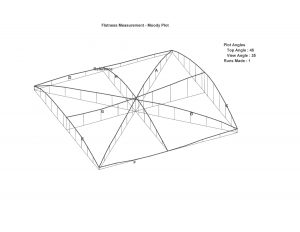
Жазықтықты тексерудің 4 бекітілген әдісі бар. Электрондық деңгейлер, автоколлимация, лазер және жазықтық локаторы деп аталатын құрылғы. Біз электрондық деңгейлерді тек бірнеше себептерге байланысты ең дәл және ең жылдам әдіс болғандықтан ғана пайдаланамыз.
Лазерлер мен автоколлиматорлар өте түзу жарық сәулесін эталон ретінде пайдаланады. Гранит беттік пластинасының түзулігін өлшеу беттік пластина мен жарық сәулесі арасындағы қашықтықтың өзгеруін салыстыру арқылы жүзеге асырылады. Тікелей жарық сәулесін алып, оны шағылыстырғыш нысанаға тигізу арқылы шағылыстырғыш нысананы беттік пластина бойымен жылжыту арқылы шығарылған сәуле мен қайтарылатын сәуле арасындағы қашықтық түзулікті өлшеу болып табылады.
Бұл әдістің мәселесі мынада. Нысанаға және көзге діріл, қоршаған орта температурасы, тегіс емес немесе сызылған нысана, ауадағы ластану және ауа қозғалысы (токтар) әсер етеді. Мұның бәрі қателіктің қосымша компоненттерін қосады. Сонымен қатар, автоколлиматормен тексеруден оператор қатесінің үлесі үлкен.
Тәжірибелі автоколлиматор пайдаланушысы өте дәл өлшеулер жүргізе алады, бірақ әсіресе ұзақ қашықтықта көрсеткіштердің сәйкестігімен проблемаларға тап болады, себебі шағылысулар кеңейеді немесе аздап бұлыңғырланады. Сондай-ақ, нысананың мүлдем тегіс емес болуы және линза арқылы ұзақ уақыт қарау қосымша қателіктерге әкеледі.
Жазықтықты анықтау құрылғысы жай ғана ақымақтық. Бұл құрылғы тірек ретінде біршама түзу (өте түзу коллимацияланған немесе лазерлік жарық сәулесімен салыстырғанда) пайдаланады. Механикалық құрылғы әдетте тек 20 мкм ажыратымдылықтағы индикаторды ғана емес, сонымен қатар жолақтың және әртүрлі материалдардың түзу еместігі өлшеу қателіктерін айтарлықтай арттырады. Біздің ойымызша, әдіс қолайлы болғанымен, ешбір құзыретті зертхана жазықтықты анықтау құрылғысын соңғы тексеру құралы ретінде пайдаланбайды.
Электрондық деңгейлер гравитацияны анықтамалық ретінде пайдаланады. Дифференциалды электрондық деңгейлерге діріл әсер етпейді. Олардың ажыратымдылығы 0,1 доғалық секундқа дейін төмен, ал өлшеулер жылдам, дәл және тәжірибелі оператордың қателіктерінің үлесі өте аз. Жазықтық локаторлары да, автоколлиматорлар да беттің компьютерлік топографиялық (1-сурет) немесе изометриялық графиктерін (2-сурет) бермейді.
2-сурет
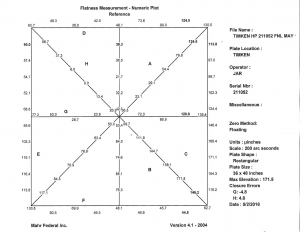
Беттің дұрыс жазықтығын сынау
Беттің тегістігін тексеру осы мақаланың маңызды бөлігі болғандықтан, мен оны басында қоюым керек еді. Бұрын айтылғандай, Fed Spec. GGG-p-463c калибрлеу әдісі ЕМЕС. Ол кез келген федералды үкімет агенттігі сатып алатын метрологияның көптеген аспектілері бойынша нұсқаулық ретінде қызмет етеді, оған сынақ әдістері мен төзімділіктер немесе сұрыптар кіреді. Егер мердігер Fed Specs талаптарын орындадық деп мәлімдесе, онда тегістік мәні Moody әдісімен анықталады.
Муди 50-жылдары жалпы жазықтықты анықтау және тексерілген сызықтардың бағытын, олардың бір жазықтықта жеткілікті жақын орналасқанын ескеру үшін математикалық әдісті ойлап тапқан жігіт болды. Ештеңе өзгерген жоқ. Allied Signal математикалық әдісті жақсартуға тырысты, бірақ айырмашылықтар соншалықты аз болғандықтан, күш салуға тұрарлық емес деген қорытындыға келді.
Егер беттік плита мердігері электрондық деңгейлерді немесе лазерді пайдаланса, ол есептеулерге көмектесу үшін компьютерді пайдаланады. Компьютердің көмегінсіз автоколлимацияны қолданатын техник көрсеткіштерді қолмен есептеуі керек. Шын мәнінде, олар есептемейді. Бұл тым көп уақытты алады және шынын айтқанда, тым қиын болуы мүмкін. Муди әдісін қолданатын жазықтық сынағында техник Union Jack конфигурациясындағы сегіз сызықты түзулікке тексереді.
Муди әдісі
Муди әдісі - сегіз сызықтың бір жазықтықта орналасқанын анықтаудың математикалық әдісі. Әйтпесе, сізде бір жазықтықта немесе оның жанында болуы мүмкін немесе болмауы мүмкін 8 түзу сызық бар. Сонымен қатар, Fed Spec талаптарын сақтайтынын мәлімдейтін және автоколлимацияны қолданатын мердігер, олміндеттісегіз беттік деректер жасайды. Әрбір жол үшін бір бет тексеріліп, оның сынақтан өткізгенін, жөндегенін немесе екеуін де дәлелдейді. Әйтпесе, мердігер нақты жазықтық мәні қандай екенін білмейді.
Егер сіз мердігердің автоколлимацияны қолдана отырып, тақтайшаларыңызды калибрлейтіндердің бірі болсаңыз, онда сіз бұл беттерді ешқашан көрген емессіз деп сенімдімін! 3-сурет - үлгітек біреуіЖалпы жазықтықты есептеу үшін сегіз бет қажет. Надандық пен қастықтың бір белгісі - есебіңізде жақсы дөңгелектелген сандар болуы. Мысалы, 200, 400, 650 және т.б. Дұрыс есептелген мән - нақты сан. Мысалы, 325,4 u дюйм. Мердігер есептеулердің Муди әдісін қолданғанда және техник мәндерді қолмен есептегенде, сіз сегіз беттік есептеулер мен изометриялық график алуыңыз керек. Изометриялық график әртүрлі сызықтар бойындағы әртүрлі биіктіктерді және таңдалған қиылысу нүктелерін қанша қашықтыққа бөлетінін көрсетеді.
3-сурет(Жазықтылықты қолмен есептеу үшін осындай сегіз бет қажет. Егер мердігеріңіз автоколлимацияны қолданса, неге мұны алмайтыныңызды сұрауды ұмытпаңыз!)
4-сурет
Өлшем өлшеуіштерінің техниктері өлшеу станциясынан станцияға бұрыштықтың минуттық өзгерістерін өлшеу үшін дифференциалды деңгейлерді (4-сурет) артықшылықты құрылғылар ретінде пайдаланады. Деңгейлердің ажыратымдылығы 0,1 доғалық секундқа дейін (4 дюймдік шанамен 5 дюйм) өте тұрақты, дірілге, өлшенген қашықтыққа, ауа ағындарына, оператордың шаршауына, ауаның ластануына немесе басқа құрылғыларға тән кез келген мәселелерге әсер етпейді. Компьютерлік көмекті қосыңыз, сонда тапсырма салыстырмалы түрде жылдам болады, тексеруді және ең бастысы жөндеуді дәлелдейтін топографиялық және изометриялық графиктерді жасайды.
Дұрыс қайталанымдылық сынағы
Қайталап оқу немесе қайталанымдылық - ең маңызды сынақ. Қайталанымдылық сынағын жүргізу үшін біз қолданатын жабдық - қайталап оқу құрылғысы, LVDT және жоғары ажыратымдылықтағы оқулар үшін қажетті күшейткіш. Біз LVDT күшейткішін ең аз ажыратымдылыққа 10 мкм немесе жоғары дәлдіктегі пластиналар үшін 5 мкм орнаттық.
Егер сіз 35 мкм қайталану талабын тексеруге тырыссаңыз, ажыратымдылығы небәрі 20 мкм болатын механикалық индикаторды пайдалану пайдасыз. Индикаторлардың 40 мкм белгісіздігі бар! Қайталауды өлшеу құрылғысы биіктік өлшегіш/бөлшек конфигурациясын имитациялайды.
Қайталанымдылық жалпы жазықтықпен бірдей ЕМЕС (орташа жазықтық). Мен граниттегі қайталанымдылықты тұрақты радиус өлшемі ретінде қарастырғанды ұнатамын.
5-сурет
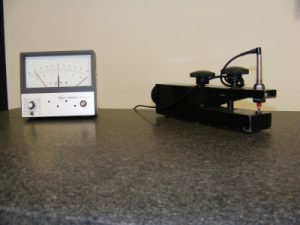
Егер сіз дөңгелек шардың қайталануын тексерсеңіз, онда сіз шардың радиусының өзгермегенін көрсеттіңіз. (Дұрыс жөнделген пластинаның идеалды профилі дөңес тәж пішініне ие.) Дегенмен, шардың тегіс емес екені анық. Иә, шамамен. Өте қысқа қашықтықта ол тегіс. Тексеру жұмыстарының көпшілігі бөлшекке өте жақын биіктік өлшегішті қамтитындықтан, қайталану гранит пластинаның ең маңызды қасиетіне айналады. Пайдаланушы ұзын бөлшектің түзулігін тексермесе, жалпы тегістік маңыздырақ.
Мердігеріңіздің қайта оқу сынағын жүргізетініне көз жеткізіңіз. Пластинада төзімділіктен айтарлықтай тыс қайта оқу болуы мүмкін, бірақ сонда да жазықтық сынағынан өтуі мүмкін! Таңқаларлықтай, зертхана қайта оқу сынағын қамтымайтын сынақтарда аккредитация ала алады. Жөндей алмайтын немесе жөндеуде онша жақсы емес зертхана тек жазықтық сынағын жүргізуді жөн көреді. Пластинаны жылжытпасаңыз, жазықтық сирек өзгереді.
Қайталап оқу сынағы ең оңай, бірақ тегістеу кезінде ең қиыны. Мердігеріңіздің бетті «бұзбай» немесе бетінде толқындар қалдырмай қайталануды қалпына келтіре алатынына көз жеткізіңіз.
Дельта Т сынағы
Бұл сынақ тастың үстіңгі және астыңғы бетіндегі НАҚТЫ температурасын өлшеуді және сертификатта есеп беру үшін айырмашылықты, Дельта Т, есептеуді қамтиды.
Граниттегі жылу кеңеюінің орташа коэффициенті 3,5 uIn/дюйм/градус екенін білу маңызды. Қоршаған орта температурасы мен ылғалдылығының гранит пластинасына әсері елеусіз. Дегенмен, беттік пластина төзімділік шегінен шығуы немесе кейде тіпті 0,3 – 0,5 градус Фаренгейт делта T кезінде жақсаруы мүмкін. Дельта T соңғы калибрлеуден айырмашылығы бар 0,12 градус Фаренгейт шегінде екенін білу қажет.
Сондай-ақ, пластиналардың жұмыс беті жылуға қарай жылжитынын білу маңызды. Егер үстіңгі температура түбінен жылырақ болса, онда үстіңгі беті көтеріледі. Егер астыңғы жағы жылырақ болса, бұл сирек кездеседі, онда үстіңгі беті батып кетеді. Сапа менеджері немесе техник үшін пластинаның калибрлеу немесе жөндеу кезінде тегіс және қайталанатын екенін білу жеткіліксіз, бірақ соңғы калибрлеу сынағы кезінде оның Delta T қандай болғанын білу жеткіліксіз. Қиын жағдайларда пайдаланушы Delta T өлшеу арқылы пластинаның тек Delta T ауытқуларына байланысты төзімділік шегінен шыққанын анықтай алады. Бақытымызға орай, гранит қоршаған ортаға бейімделу үшін көптеген сағаттар немесе тіпті күндер қажет. Күні бойы қоршаған орта температурасының шамалы ауытқулары оған әсер етпейді. Осы себептерге байланысты біз қоршаған ортаны калибрлеу температурасы немесе ылғалдылығы туралы хабарламаймыз, себебі әсерлері елеусіз.
Гранит тақтайшаларының тозуы
Гранит болат плиталарға қарағанда қаттырақ болғанымен, гранит бетінде әлі де төмен дақтар пайда болады. Беткі плитадағы бөлшектер мен өлшеуіштердің қайталанатын қозғалысы тозудың ең үлкен көзі болып табылады, әсіресе бір аймақ үнемі пайдаланылып тұрса. Пластинаның бетінде қалуына жол берілетін кір мен ұнтақтау шаңы бөлшектер немесе өлшеуіштер мен гранит беті арасында тозу процесін жылдамдатады. Бөлшектер мен өлшеуіштерді оның беті арқылы жылжытқан кезде, абразивті шаң әдетте қосымша тозудың себебі болып табылады. Тозуды азайту үшін үнемі тазалауды ұсынамын. Біз күнделікті UPS пакеттерін плиталардың үстіне орналастырудан туындаған тозуды көрдік! Тозудың сол жергілікті жерлері калибрлеу қайталану сынағының көрсеткіштеріне әсер етеді. Үнемі тазалап, тозудан аулақ болыңыз.
Гранит тақтайшаларын тазалау
Тәрелкені таза ұстау үшін, қоқысты кетіру үшін жабысқақ шүберекті пайдаланыңыз. Желім қалдықтарын қалдырмау үшін өте ақырын басыңыз. Жақсы қолданылған жабысқақ шүберек тазалау арасында ұнтақтау шаңын тамаша жинайды. Бір жерде жұмыс істемеңіз. Құрылғыңызды тәрелкенің айналасына жылжытып, тозуды таратыңыз. Тәрелкені тазалау үшін спирт қолдануға болады, бірақ бұлай істеу бетті уақытша қатты салқындататынын ескеріңіз. Аз мөлшерде сабын қосылған су өте жақсы. Starrett тазалағышы сияқты сатылатын тазалағыштарды да пайдалану өте жақсы, бірақ бетінен барлық сабын қалдықтарын кетіргеніңізге көз жеткізіңіз.
Гранит тақтайшаларын жөндеу
Беткі тақтайша мердігеріңіздің құзыретті калибрлеуді орындауының маңыздылығы қазірдің өзінде айқын болуы керек. «Бәрін бір қоңыраумен жасаңыз» бағдарламаларын ұсынатын «Клирингтік үй» типті зертханаларда жөндеу жұмыстарын жүргізе алатын техник сирек кездеседі. Олар жөндеу жұмыстарын ұсынса да, беткі тақтайша айтарлықтай төзімділіктен тыс болған кезде қажетті тәжірибесі бар техник әрқашан бола бермейді.
Егер сізге қатты тозуға байланысты пластинаны жөндеу мүмкін емес деп айтылса, бізге қоңырау шалыңыз. Біз жөндеуді жасай аламыз.
Біздің техниктеріміз бір жылдан бір жарым жылға дейін беттік плиталар бойынша шебер техниктің басшылығымен тағылымдамадан өтеді. Біз беттік плиталар бойынша шебер техникті тағылымдамадан өткен және беттік плиталарды калибрлеу және жөндеу саласында қосымша он жылдан астам тәжірибесі бар адам ретінде анықтаймыз. Dimensional Gauge компаниясында үш бас техник жұмыс істейді, олардың жалпы тәжірибесі 60 жылдан асады. Біздің бір бас техникіміз қиын жағдайлар туындаған кезде қолдау және басшылық үшін әрқашан қолжетімді. Біздің барлық техниктеріміз кішкентайдан өте үлкенге дейінгі барлық өлшемдегі беттік плиталарды калибрлеуде, әртүрлі қоршаған орта жағдайларында, әртүрлі салаларда және тозу мәселелері бойынша тәжірибеге ие.
Fed Specs орташа арифметикалық кедір-бұдырлығы (AA) бойынша 16-дан 64-ке дейінгі арнайы әрлеу талабын қояды. Біз 30-35 AA аралығындағы әрлеуді қалаймыз. Бөлшектер мен өлшеуіштердің тегіс қозғалуын және беткі тақтаға жабыспауын немесе сығылмауын қамтамасыз ету үшін жеткілікті кедір-бұдырлық болуы керек.
Жөндеу кезінде біз пластинаның дұрыс орнатылуын және тегістігін тексереміз. Біз құрғақ тегістеу әдісін қолданамыз, бірақ гранитті айтарлықтай алып тастауды қажет ететін қатты тозу жағдайларында біз ылғалды тегістеу әдісін қолданамыз. Біздің техниктеріміз өздерінен кейін тазалайды, олар мұқият, жылдам және дәл жұмыс істейді. Бұл маңызды, себебі гранит пластинасына қызмет көрсету құнына сіздің тоқтап қалуыңыз және өндірістің жоғалуы кіреді. Құзыретті жөндеу өте маңызды, сондықтан сіз ешқашан мердігерді бағасы немесе ыңғайлылығы бойынша таңдамауыңыз керек. Кейбір калибрлеу жұмыстары жоғары білікті мамандарды қажет етеді. Бізде ондай мүмкіндік бар.
Калибрлеудің соңғы есептері
Әрбір беткі тақтаны жөндеу және калибрлеу үшін біз егжей-тегжейлі кәсіби есептер ұсынамыз. Біздің есептерімізде маңызды және тиісті ақпараттың айтарлықтай көлемі бар. Fed Spec. біз берген ақпараттың көп бөлігін талап етеді. ISO/IEC-17025 сияқты басқа сапа стандарттарында қамтылғандарды қоспағанда, ең төменгі Fed. Есептерге арналған техникалық сипаттамалар:
- Өлшемі (футпен) (X' x X')
- Түс
- Стиль (Қысқыш жиектерінің болмауына немесе екі немесе төрт жиекке қатысты)
- Серпімділіктің болжамды модулі
- Орташа жазықтық төзімділігі (сынып/өлшем бойынша анықталады)
- Қайталап оқу Төзімділік (диагональ ұзындығымен дюйммен анықталады)
- Табылған орташа жазықтық
- Сол жақтағы орташа жазықтық
- Табылғандай қайталап оқыңыз
- Сол жақтағыдай оқуды қайталаңыз
- Дельта Т (жоғарғы және төменгі беттер арасындағы температура айырмашылығы)
Егер техник беткі пластинаны тегістеу немесе жөндеу жұмыстарын жүргізуі қажет болса, онда жөндеудің жарамдылығын дәлелдеу үшін калибрлеу сертификатына топографиялық немесе изометриялық график қоса беріледі.
ISO/IEC-17025 аккредиттеулері және оларға ие зертханалар туралы бірер сөз
Зертхананың беттік пластинаны калибрлеу бойынша аккредитациясы болуы олардың не істеп жатқанын білетінін және оны дұрыс жасайтынын білдірмейді! Бұл зертхананың жөндей алатынын да білдірмейді. Аккредиттеу органдары тексеру немесе калибрлеу (жөндеу) арасындағы айырмашылықты жасамайды.Aжәне мен біреуін білемін, мүмкін2аккредиттеу органдарыLтең ойынAЕгер мен оларға жеткілікті ақша төлеген болсам, итімнің айналасына лента байлап қойдым! Бұл өкінішті факт. Мен зертханалардың талап етілетін үш сынақтың біреуін ғана орындау арқылы аккредитация алғанын көрдім. Сонымен қатар, мен зертханалардың шындыққа жанаспайтын белгісіздікпен аккредитация алып, ешқандай дәлелсіз немесе мәндерді қалай есептегенін көрсетпестен аккредитацияланғанын көрдім. Мұның бәрі өкінішті.
Қорытынды
Дәл гранит плиталарының рөлін бағаламауға болмайды. Гранит плиталары беретін жазық тірек - барлық басқа өлшемдерді жасаудың негізі.
Сіз ең заманауи, ең дәл және ең әмбебап өлшеу құралдарын пайдалана аласыз. Дегенмен, егер анықтамалық бет тегіс болмаса, дәл өлшеулерді анықтау қиын. Бірде менің бір әлеуетті тұтынушым маған: «Бұл жай ғана тас!» - деді. Менің жауабым: «Жарайды, сіз дұрыс айтасыз, және сіз беткі тақтайшаларыңызды күтіп ұстау үшін мамандардың келуін ақтай алмайсыз».
Баға беттік плита мердігерлерін таңдаудың ешқашан жақсы себебі емес. Сатып алушылар, бухгалтерлер және көптеген сапалы инженерлер гранит плиталарын қайта сертификаттау микрометрді, суппортты немесе DMM-ді қайта сертификаттаумен бірдей емес екенін әрқашан түсіне бермейді.
Кейбір құралдар төмен бағаны емес, біліктілікті қажет етеді. Сонымен қатар, біздің бағаларымыз өте қолжетімді. Әсіресе, жұмысты дұрыс орындайтынымызға сенімділік үшін. Біз қосымша құн бойынша ISO-17025 және Федералдық техникалық сипаттамалар талаптарынан әлдеқайда асып түсеміз.
Беттік плиталар көптеген өлшемдік өлшеулердің негізі болып табылады, және өлшеу дәлдігін қамтамасыз ету үшін беттік плитаға дұрыс күтім жасау қажет.
Гранит беттік қаттылық және температура ауытқуларына төмен сезімталдық сияқты идеалды физикалық сипаттамаларына байланысты беттік пластиналар үшін қолданылатын ең танымал материал болып табылады. Дегенмен, үздіксіз пайдалану кезінде беттік пластиналар тозуды сезінеді.
Тегістік және қайталанымдылық пластинаның дәл өлшеулерді алу үшін дәл бетті қамтамасыз ететінін немесе қамтамасыз етпейтінін анықтау үшін маңызды аспектілер болып табылады. Екі аспект үшін де төзімділік GGG-P-463C, DIN, GB, JJS федералдық спецификациясында анықталған... Тегістік - пластинадағы ең биік нүкте (шатыр жазықтығы) мен ең төменгі нүкте (негізгі жазықтық) арасындағы қашықтықты өлшеу. Қайталанымдылық бір аймақтан алынған өлшеуді бүкіл пластина бойынша көрсетілген төзімділік шегінде қайталауға болатынын анықтайды. Бұл пластинада шыңдар немесе аңғарлардың болмауын қамтамасыз етеді. Егер көрсеткіштер көрсетілген нұсқауларға сәйкес келмесе, онда өлшеулерді спецификацияға қайтару үшін бетті қайта жабу қажет болуы мүмкін.
Уақыт өте келе тегістік пен қайталанымдылықты қамтамасыз ету үшін беттік пластинаны үнемі калибрлеу қажет. Cross компаниясының дәлдік өлшеу тобы беттік пластинаның тегістігі мен қайталанымдылығын калибрлеу үшін ISO 17025 аккредитациясына ие. Біз Mahr беттік пластинасын сертификаттау жүйесін пайдаланамыз, оның ерекшеліктері:
- Moody және профиль талдауы,
- Изометриялық немесе сандық графиктер,
- Бірнеше жүгіру орташасы және
- Салалық стандарттарға сәйкес автоматты бағалау.
Mahr компьютерлік көмегімен жасалған моделі абсолютті деңгейден кез келген бұрыштық немесе сызықтық ауытқуды анықтайды және беттік пластиналардың жоғары дәлдіктегі профилін жасауға өте ыңғайлы.
Калибрлеу арасындағы аралық пайдалану жиілігіне, пластина орналасқан қоршаған орта жағдайларына және компанияңыздың нақты сапа талаптарына байланысты өзгереді. Беткі пластинаны дұрыс күтіп ұстау әрбір калибрлеу арасындағы аралықтарды ұзартуға мүмкіндік береді, қайталап жабудың қосымша шығындарынан аулақ болуға көмектеседі және ең бастысы, пластинада алынған өлшемдердің мүмкіндігінше дәл болуын қамтамасыз етеді. Беткі пластиналар берік болып көрінгенімен, олар дәлдік құралдары болып табылады және оларды солай қарастыру керек. Беткі пластиналарыңызға күтім жасауға қатысты ескеретін кейбір жайттар:
- Табақты таза ұстаңыз, мүмкін болса, пайдаланылмаған кезде жабыңыз
- Өлшеу құралдарынан немесе өлшенетін бөліктерден басқа ештеңені табаққа салуға болмайды.
- Табақшадағы бір жерді әрдайым пайдаланбаңыз.
- Мүмкін болса, пластинаны мезгіл-мезгіл айналдырыңыз.
- Пластинаның жүктеме шегін сақтаңыз
Дәл гранит негізі станоктардың жұмысын жақсарта алады
Жалпы машина жасауда және әсіресе станок жасауда талаптар үнемі артып келеді. Шығындарды арттырмай, максималды дәлдік пен өнімділік мәндеріне қол жеткізу бәсекеге қабілетті болудың тұрақты қиындықтары болып табылады. Станок төсегі мұнда шешуші фактор болып табылады. Сондықтан, станок өндірушілерінің саны артып келе жатқаны гранитке сүйенеді. Физикалық параметрлеріне байланысты ол болат немесе полимерлі бетонмен қол жеткізу мүмкін емес айқын артықшылықтарды ұсынады.
Гранит - жанартаулық терең жыныс деп аталады және өте тығыз және біртекті құрылымға ие, кеңею коэффициенті өте төмен, жылу өткізгіштігі төмен және дірілдің жоғары демпферлік қабілеті бар.
Төменде сіз граниттің тек жоғары деңгейлі координаталық өлшеу машиналарына арналған машина негізі ретінде ғана жарамды екендігі туралы кең таралған пікірдің неліктен ескіргенін және бұл табиғи материалдың станок негізі ретінде жоғары дәлдіктегі станоктар үшін де болат немесе шойынға өте тиімді балама болып табылатынын білесіз.
Біз динамикалық қозғалысқа арналған гранит компоненттерін, сызықтық қозғалтқыштарға арналған гранит компоненттерін, ndt үшін гранит компоненттерін, рентгенге арналған гранит компоненттерін, cmm үшін гранит компоненттерін, cnc үшін гранит компоненттерін, лазерге арналған гранит дәлдігін, аэроғарышқа арналған гранит компоненттерін, дәлдік сатыларына арналған гранит компоненттерін шығара аламыз...
Қосымша шығындарсыз жоғары қосылған құн
Машина жасауда гранитті қолданудың артуы болат бағасының күрт өсуіне байланысты емес. Керісінше, бұл граниттен жасалған станок төсегімен қол жеткізілетін станоктың қосымша құнын өте аз немесе қосымша шығынсыз алуға болатындығына байланысты. Бұл Германия мен Еуропадағы танымал станок өндірушілерінің бағаларды салыстыруымен дәлелденген.
Граниттің термодинамикалық тұрақтылықтағы, дірілді басуда және ұзақ мерзімді дәлдіктегі айтарлықтай өсімге шойын немесе болат төсеммен немесе тек салыстырмалы түрде жоғары бағамен қол жеткізу мүмкін емес. Мысалы, термиялық қателіктер машинаның жалпы қателігінің 75%-ға дейінін құрауы мүмкін, ал өтемақы көбінесе бағдарламалық жасақтама арқылы жасалады - орташа табыспен. Төмен жылу өткізгіштігіне байланысты гранит ұзақ мерзімді дәлдік үшін жақсы негіз болып табылады.
1 мкм төзімділікпен гранит DIN 876 стандартына сәйкес 00 дәлдік дәрежесіне арналған жазықтық талаптарына оңай сәйкес келеді. 1-ден 10-ға дейінгі қаттылық шкаласы бойынша 6 мәнімен ол өте қатты, ал 2,8 г/см³ меншікті салмағымен ол алюминийдің мәніне жетеді. Бұл сонымен қатар кескіш станоктар үшін жоғары беріліс жылдамдығы, жоғары осьтік үдеу және құралдың қызмет ету мерзімін ұзарту сияқты қосымша артықшылықтарға әкеледі. Осылайша, құйылған платформадан гранит станок платформасына ауысу қарастырылып отырған станокты дәлдік пен өнімділік тұрғысынан жоғары деңгейге көтереді - қосымша шығынсыз.
Граниттің жақсартылған экологиялық ізі
Болат немесе шойын сияқты материалдардан айырмашылығы, табиғи тасты көп энергия жұмсап және қоспаларды пайдаланып өндірудің қажеті жоқ. Карьерлерді қазу және беткі өңдеу үшін салыстырмалы түрде аз мөлшерде энергия қажет. Бұл экологиялық із қалдырады, тіпті машинаның қызмет ету мерзімінің соңында да материал ретінде болаттан асып түседі. Гранит қабаты жаңа машинаның негізі бола алады немесе жол құрылысына арналған ұсақтау сияқты мүлдем басқа мақсаттарда пайдаланылуы мүмкін.
Гранитке де ресурстар тапшылығы жоқ. Бұл жер қыртысындағы магмадан пайда болған терең тау жынысы. Ол миллиондаған жылдар бойы «жетілді» және табиғи ресурс ретінде барлық құрлықтарда, соның ішінде бүкіл Еуропада өте көп мөлшерде қолжетімді.
Қорытынды: Граниттің болат немесе шойынмен салыстырғанда көптеген дәлелденген артықшылықтары механикалық инженерлердің осы табиғи материалды жоғары дәлдіктегі, жоғары өнімді станоктардың негізі ретінде пайдалануға деген ынтасының артуын ақтайды. Станоктар мен механикалық инженерия үшін пайдалы гранит қасиеттері туралы егжей-тегжейлі ақпаратты осы мақаладан табуға болады.
Қайталанатын өлшеу - жергілікті жазықтық аудандарын өлшеу. Қайталанатын өлшеу сипаттамасында пластинаның бетінің кез келген жерінде жүргізілген өлшеу көрсетілген төзімділік шегінде қайталанатыны айтылған. Жергілікті жазықтықты жалпы жазықтықтан тығызырақ бақылау бетінің жазықтық профилінің біртіндеп өзгеруіне кепілдік береді, осылайша жергілікті қателіктерді азайтады.
Көптеген өндірушілер, соның ішінде импорттық брендтер, жалпы жазықтық төзімділігінің федералдық сипаттамасын ұстанады, бірақ көпшілігі қайталанатын өлшеулерді елемейді. Бүгінгі таңда нарықта қолжетімді төмен құнды немесе бюджеттік тақтайшалардың көпшілігі қайталанатын өлшеулерге кепілдік бермейді. Қайталанатын өлшеулерге кепілдік бермейтін өндіруші ASME B89.3.7-2013 немесе GGG-P-463c федералдық сипаттамасының немесе DIN 876, GB, JJS талаптарына сәйкес келетін тақтайшаларды ӨНДІРМЕЙДІ...
Дәл өлшеулер үшін беттің дәлдігін қамтамасыз ету үшін екеуі де өте маңызды. Тек тегістік сипаттамасы өлшеу дәлдігін қамтамасыз ету үшін жеткіліксіз. Мысал ретінде, 0,000300 дюймдік тегістік сипаттамасына ғана сәйкес келетін 36 X 48 A тексеру класты беттік пластинаны алайық. Егер тексерілетін бөлік бірнеше шыңдарды көпірлесе және пайдаланылатын өлшеуіш төмен нүктеде болса, өлшеу қателігі бір аймақтағы толық рұқсат етілген мәнге, 000300 дюймге, тең болуы мүмкін! Шын мәнінде, егер өлшеуіш көлбеу беткейде орналасқан болса, ол әлдеқайда жоғары болуы мүмкін.
Көлбеудің ауырлығына және пайдаланылатын өлшеуіштің ұзындығына байланысты .000600"-.000800" қателіктері болуы мүмкін. Егер бұл тақтада .000050"FIR қайта өлшеу сипаттамасы болса, онда өлшеу тақтаның қай жерінде жүргізілгеніне қарамастан, өлшеу қателігі .000050"-ден аз болар еді. Әдетте дайындығы жоқ техник тақтаны орнында қайта жабуға тырысқанда туындайтын тағы бір мәселе - тақтаны растау үшін қайта өлшеулерді ғана пайдалану.
Қайталанымдылықты тексеру үшін қолданылатын құралдар жалпы жазықтықты тексеруге арналмаған. Мінсіз қисық бетке нөлге орнатылғанда, олар беті мінсіз жазық немесе мінсіз ойыс немесе дөңес 1/2 дюйм болса да, нөлді көрсете береді! Олар жай ғана бетінің біркелкілігін тексереді, жазықтықты емес. Тек жазықтық сипаттамасына ЖӘНЕ қайталау өлшеу сипаттамасына сәйкес келетін пластина ASME B89.3.7-2013 немесе GGG-P-463c федералдық сипаттамасының талаптарына шынымен сәйкес келеді.
Ask us about or flatness specification and repeat measurement promise by calling +86 19969991659 or emailing INFO@ZHHIMG.COM
Иә, бірақ оларға тек белгілі бір тік температура градиенті үшін ғана кепілдік беруге болады. Градиент өзгерген жағдайда, пластинаға термиялық кеңеюдің әсері төзімділіктен жоғары дәлдіктің өзгеруіне әкелуі мүмкін. Кейбір жағдайларда, егер төзімділік жеткілікті тығыз болса, төбедегі жарықтандырудан сіңірілген жылу бірнеше сағат ішінде градиенттің жеткілікті өзгеруіне әкелуі мүмкін.
Граниттің термиялық кеңею коэффициенті 1°F температурада шамамен 0,0000035 дюйм/дюймді құрайды. Мысал ретінде: 36" x 48" x 8" беттік пластинаның 0°F градиентінде 0,000075" (AA дәрежесінің 1/2) дәлдігі бар, үстіңгі және астыңғы температура бірдей. Егер пластинаның үстіңгі жағы астыңғы жағынан 1°F жылырақ болатын нүктеге дейін қызса, дәлдік 0,000275" дөңеске өзгереді! Сондықтан, зертханалық AA дәрежесінен жоғары төзімділігі бар пластинаға тапсырыс беру тек тиісті климаттық бақылау болған жағдайда ғана қарастырылуы керек.
Беттік пластина 3 нүктеден тірелуі керек, ең дұрысы пластинаның ұштарынан ұзындығының 20%-ы қашықтықта орналасуы керек. Екі тіреуіш ұзын бүйірлерінен енінің 20%-ы қашықтықта орналасуы керек, ал қалған тіреуіш орталықта орналасуы керек. Тек 3 нүкте дәл беттен басқа кез келген нәрсеге берік тірелуі мүмкін.
Пластинаны өндіру кезінде осы нүктелерде тіреу керек, ал пайдалану кезінде тек осы үш нүктеде тіреу керек. Пластинаны үш нүктеден артық тіреуге тырысу пластинаның үш нүктенің әртүрлі комбинацияларынан тіреуіне әкеледі, бұл өндіріс кезінде тірелген 3 нүктемен бірдей болмайды. Бұл пластинаның жаңа тірек орналасуына сәйкес келу үшін ауытқуына байланысты қателіктерге әкеледі. Барлық zhhimg болат тіректері тиісті тірек нүктелерімен бір сызыққа түсетіндей етіп жасалған тірек арқалықтарына ие.
Егер пластина дұрыс тірелген болса, дәл тегістеу тек сіздің қолдануыңыз қажет болған жағдайда ғана қажет. Дұрыс тірелген пластинаның дәлдігін сақтау үшін тегістеу қажет емес.
Неліктен гранитті таңдау керекМашина негіздеріжәнеМетрология компоненттері?
Жауап барлық қолданыстарға дерлік «иә». Граниттің артықшылықтарына мыналар жатады: тот немесе коррозия жоқ, майысуға төзімді, жыртылған кезде өтемақы төмпешігінің болмауы, тозу мерзімінің ұзағырақ болуы, тегіс әрекет, дәлдіктің жоғарылауы, іс жүзінде магнитті емес, жылу кеңеюінің төмен коэффициенті және техникалық қызмет көрсетудің төмен құны.
Гранит - өзінің ерекше беріктігі, тығыздығы, беріктігі және коррозияға төзімділігі үшін қазып алынатын магмалық тау жынысының бір түрі. Бірақ гранит сонымен қатар өте жан-жақты - ол тек шаршылар мен тіктөртбұрыштар үшін ғана емес! Шын мәнінде, Starrett Tru-Stone үнемі барлық вариациялардың пішіндерінде, бұрыштарында және қисықтарында жасалған гранит компоненттерімен сенімді түрде жұмыс істейді - тамаша нәтижелер береді.
Біздің заманауи өңдеу технологиямыздың арқасында кесілген беттер ерекше тегіс бола алады. Бұл қасиеттер гранитті тапсырыс бойынша өлшемді және тапсырыс бойынша дизайндағы машина негіздері мен метрологиялық компоненттерді жасау үшін тамаша материал етеді. Гранит дегеніміз:
машинамен жұмыс істейтін
кесілген және өңделген кезде дәл тегіс
тотқа төзімді
берік
ұзақ
Граниттен жасалған бөлшектерді тазалау да оңай. Жеке дизайн жасаған кезде, оның артықшылықтары үшін гранитті таңдағаныңызға көз жеткізіңіз.
СТАНДАРТТАР/ ЖОҒАРЫ ТОЗУҒА ТИІМДІ ҚОЛДАНУ
ZhongHui компаниясы стандартты беттік пластина өнімдері үшін пайдаланатын граниттің құрамында кварц мөлшері жоғары, бұл тозуға және зақымдалуға төзімділікті арттырады. Біздің жоғары сапалы қара және хрусталь қызғылт түстеріміз суды сіңіру жылдамдығы төмен, бұл дәлдік өлшегіштеріңіздің пластиналарға орнатылған кезде тот басуы мүмкіндігін азайтады. ZhongHui компаниясы ұсынатын гранит түстері жарқырауды азайтады, бұл пластиналарды пайдаланатын адамдар үшін көздің шаршауын азайтады. Біз гранит түрлерін таңдадық, бұл аспектіні минималды ұстау үшін термиялық кеңеюді ескере отырып.
ТАПСЫРЫС ӨТІНІМДЕРІ
Қолданбаңызда арнайы пішіндері, бұрандалы кірістері, ойықтары немесе басқа да өңдеу әдістері бар пластина қажет болған кезде, сіз Black Diabase сияқты материалды таңдағыңыз келеді. Бұл табиғи материал жоғары қаттылықты, тамаша дірілді басуды және жақсартылған өңдеу мүмкіндігін ұсынады.
Иә, егер олар тым қатты тозбаған болса. Біздің зауыттық параметрлеріміз бен жабдықтарымыз пластинаны дұрыс калибрлеу және қажет болған жағдайда қайта өңдеу үшін оңтайлы жағдайларды қамтамасыз етеді. Әдетте, егер пластина қажетті төзімділік шегінен 0,001 дюйм шегінде болса, оны сол жерде қайта жабуға болады. Егер пластина төзімділік шегінен 0,001 дюймнен асатындай тозған болса немесе ол қатты ойықталған немесе тесілген болса, онда оны қайта жабыстырмас бұрын зауытқа тегістеу үшін жіберу қажет болады.
Орындық калибрлеу және бетін қайта өңдеу техникін таңдауда өте сақ болу керек. Калибрлеу қызметін таңдағанда абай болуға шақырамыз. Аккредитация сұраңыз және техник пайдаланатын жабдықтың Ұлттық инспекция мекемесінің бақылауымен калибрленгенін тексеріңіз. Дәл гранитті қалай дұрыс тегістеу керектігін үйрену үшін көптеген жылдар қажет.
ZhongHui біздің зауытта орындалатын калибрлеулерді жылдам орындауды қамтамасыз етеді. Мүмкіндігінше, пластиналарыңызды калибрлеуге жіберіңіз. Сіздің сапаңыз бен беделіңіз беткі пластиналарды қоса алғанда, өлшеу құралдарының дәлдігіне байланысты!
Біздің қара беттік пластиналарымыздың тығыздығы айтарлықтай жоғары және үш есеге дейін қатты. Сондықтан, қарадан жасалған пластинаның ауытқуға тең немесе одан да көп төзімділігі болуы үшін бірдей өлшемдегі гранит пластинасы сияқты қалың болуы міндетті емес. Қалыңдығының төмендеуі салмақтың азаюын және жеткізу шығындарының төмендеуін білдіреді.
Сол қалыңдықтағы сапасы төмен қара гранитті қолданатындардан сақ болыңыз. Жоғарыда айтылғандай, ағаш немесе металл сияқты граниттің қасиеттері материал мен түске байланысты өзгереді және қаттылықтың, қаттылықтың немесе тозуға төзімділіктің дәл көрсеткіші емес. Шын мәнінде, қара гранит пен диабаздың көптеген түрлері өте жұмсақ және беттік пластиналарды қолдануға жарамсыз.
Жоқ. Бұл бұйымдарды қайта өңдеу үшін қажетті арнайы жабдық пен оқыту оларды калибрлеу және қайта өңдеу үшін зауытқа қайтаруды талап етеді.
Иә. Керамика мен граниттің сипаттамалары ұқсас, және гранитті калибрлеу және тегістеу үшін қолданылатын әдістерді керамикалық бұйымдармен де қолдануға болады. Керамиканы гранитке қарағанда тегістеу қиынырақ, бұл оның құнын арттырады.
Иә, егер кірістірулер бетінің астына тереңдетілген болса. Егер болат кірістірулер беткі жазықтықпен бір деңгейде немесе одан жоғары болса, пластинаны тегістеу алдында оларды төмен қаратып қою керек. Қажет болған жағдайда, біз бұл қызметті көрсете аламыз.
Иә. Қажетті бұрандасы (ағылшын немесе метрикалық) бар болат кірістірулерді қажетті жерлерде пластинаға эпоксидті желіммен жабыстыруға болады. ZhongHui компаниясы +/- 0,005 дюйм аралығындағы ең тығыз кірістіру орындарын қамтамасыз ету үшін CNC станоктарын пайдаланады, онша маңызды емес кірістірулер үшін бұрандалы кірістірулерге арналған орналасу төзімділігіміз ± 0,060 дюймді құрайды. Басқа нұсқаларға болат Т-тәрізді шыбықтар және гранитке тікелей өңделген «көгершін құйрықты» ойықтар кіреді.
Жоғары беріктігі бар және жақсы өңдеу сапасымен дұрыс желімделген кірістірулер көптеген бұралу және ығысу күшіне төтеп береді. Жақында 3/8"-16 бұрандалы кірістірулерді пайдалана отырып жүргізілген сынақта тәуелсіз сынақ зертханасы эпоксидті байланысқан кірістіруді беттік пластинадан тарту үшін қажетті күшті өлшеді. Он пластина сыналды. Осы он жағдайдың тоғызында гранит алдымен сынды. Сұр гранит үшін орташа жүктеме 10 020 фунт, ал қара гранит үшін 12 310 фунт болды. Пластинкадан босатылған кірістіру кезіндегі бір жағдайда, сыну нүктесіндегі жүктеме 12 990 фунт болды! Егер жұмыс бөлігі кірістіру арқылы көпір түзсе және экстремалды момент қолданылса, гранитті сындыру үшін жеткілікті күш жасауға болады. Осы себепті ішінара ZhongHui эпоксидті байланысқан кірістірулерге қолдануға болатын ең жоғары қауіпсіз момент бойынша нұсқаулықтар береді: https://www.zhhimg.com/standard-thread-inserts-product/
Иә, бірақ тек біздің зауытта ғана. Біздің зауытта біз кез келген пластинаны «жаңадай» күйге келтіре аламыз, әдетте оны ауыстыру құнының жартысынан азына. Зақымдалған шеттерін косметикалық түрде жамауға, терең ойықтарды, ойықтарды және шұңқырларды тегістеуге, ал бекітілген тіректерді ауыстыруға болады. Сонымен қатар, біз сіздің талаптарыңызға сәйкес қатты немесе бұрандалы болат кірістірулерді қосу және ойықтарды немесе қысқыш еріндерді кесу арқылы пластинаңыздың әмбебаптығын арттыру үшін өзгерте аламыз.
Неліктен гранитті таңдау керек?
Гранит - миллиондаған жылдар бұрын Жерде пайда болған магмалық тау жынысының бір түрі. Магмалық тау жынысының құрамында өте қатты және тозуға төзімді кварц сияқты көптеген минералдар болған. Қаттылық пен тозуға төзімділіктен басқа, граниттің кеңею коэффициенті шойынға қарағанда шамамен екі есе аз. Көлемдік салмағы шойынның шамамен үштен бір бөлігін құрайтындықтан, гранитті басқару оңайырақ.
Машина негіздері мен метрология компоненттері үшін қара гранит ең көп қолданылатын түс болып табылады. Қара граниттің құрамында басқа түстерге қарағанда кварцтың пайызы жоғары және сондықтан ол ең берік тозуға төзімді.
Гранит үнемді, ал кесілген беттер ерекше тегіс болуы мүмкін. Оны ең жоғары дәлдікке қол жеткізу үшін қолмен тегістеуге ғана емес, сонымен қатар плитаны немесе үстелді орнынан жылжытпай қайта өңдеуге болады. Бұл толығымен қолмен тегістеу операциясы және әдетте шойын баламасын қайта өңдеуге қарағанда әлдеқайда арзан.
Бұл қасиеттер гранитті тапсырыс бойынша өлшемді және тапсырыс бойынша жасалған машина негіздерін және метрология компоненттерін жасау үшін тамаша материал етеді, мысалыгранит беткі тақтасы.
ZhongHui арнайы өлшеу талаптарын қолдау үшін жасалған граниттен жасалған тапсырыс бойынша жасалған бұйымдарды шығарады. Бұл тапсырыс бойынша жасалған бұйымдар әртүрлітүзу жиектер toүш шаршыГраниттің жан-жақты табиғатына байланысты,компоненттеркез келген өлшемде жасауға болады; олар берік және ұзақ уақытқа шыдайды.
Гранит беттік плиталарының артықшылықтары
Тегіс бетте өлшеудің маңыздылығын 1800 жылдары британдық өнертапқыш Генри Модсли белгілеген. Станок жасаушы ретінде ол бөлшектерді үнемі өндіру сенімді өлшеулер үшін қатты бетті қажет ететінін анықтады.
Өнеркәсіптік революция өлшеу беттеріне сұраныс тудырды, сондықтан Crown Windley инженерлік компаниясы өндіріс стандарттарын жасады. Беттік пластиналарға арналған стандарттарды алғаш рет Crown 1904 жылы металды пайдаланып белгіледі. Металлға деген сұраныс пен оның құны өскен сайын өлшеу бетіне арналған балама материалдар зерттелді.
Америкада ескерткіш жасаушы Уоллес Херман қара граниттің металлға балама ретінде тамаша беттік пластина материалы екенін анықтады. Гранит магнитті емес және тот баспайтындықтан, ол көп ұзамай өлшеу үшін ең қолайлы бетке айналды.
Гранит беттік тақтайшасы зертханалар мен сынақ қондырғылары үшін маңызды инвестиция болып табылады. 600 x 600 мм гранит беттік тақтайшасын тірек тірегіне орнатуға болады. Тіректер тегістеуге арналған бес реттелетін нүктесі бар 34 дюйм (0,86 м) жұмыс биіктігін қамтамасыз етеді.
Сенімді және тұрақты өлшеу нәтижелері үшін гранитті беттік пластина өте маңызды. Беті тегіс және тұрақты жазықтық болғандықтан, ол құралдарды мұқият басқаруға мүмкіндік береді.
Гранит бетінің негізгі артықшылықтары:
• Шағылыстырмайтын
• Химиялық заттарға және коррозияға төзімді
• Арбалы темірмен салыстырғанда кеңею коэффициенті төмен, сондықтан температураның өзгеруіне аз әсер етеді
• Табиғи қатты және төзімді
• Бетінің жазықтығы сызылған кезде өзгермейді
• Тот баспайды
• Магниттік емес
• Тазалау және күтіп ұстау оңай
• Калибрлеу және қайта өңдеу жұмыстарын жергілікті жерде жүргізуге болады
• Бұрандалы тірек кірістірулерін бұрғылауға жарамды
• Жоғары дірілді басатын
Көптеген шеберханалар, тексеру бөлмелері мен зертханалар үшін дәл өлшеу негізі ретінде дәл гранит беттік плиталары қолданылады. Әрбір сызықтық өлшеу соңғы өлшемдер алынатын дәл тірек бетіне байланысты болғандықтан, беттік плиталар өңдеу алдында жұмысты тексеру және орналасу үшін ең жақсы тірек жазықтығын қамтамасыз етеді. Олар сондай-ақ биіктік өлшеулерін және беттерді өлшеу үшін тамаша негіз болып табылады. Сонымен қатар, жоғары деңгейдегі тегістік, тұрақтылық, жалпы сапа және өңдеу оларды күрделі механикалық, электрондық және оптикалық өлшеу жүйелерін орнату үшін жақсы таңдау етеді. Осы өлшеу процестерінің кез келгені үшін беттік плиталарды калибрлеу өте маңызды.
Өлшеулерді және жазықтықты қайталаңыз
Дәл бетті қамтамасыз ету үшін жазықтық та, қайталанатын өлшеулер де маңызды. Жазықтықты беттің барлық нүктелерінің екі параллель жазықтықта, негізгі жазықтықта және шатыр жазықтығында орналасуы ретінде қарастыруға болады. Жазықтықтар арасындағы қашықтықты өлшеу беттің жалпы жазықтығы болып табылады. Бұл жазықтық өлшемі әдетте төзімділікке ие және сынып белгілеуін қамтуы мүмкін.
Үш стандартты баға үшін жазықтық төзімділігі федералды сипаттамада келесі формуламен анықталғандай анықталады:
Зертханалық AA дәрежесі = (40 + диагональ² / 25) x 0.000001 дюйм (бір жақты)
Тексеру сыныбы A = Зертханалық сыныбы AA x 2
Құрал-жабдықтар бөлмесінің B дәрежесі = Зертханалық дәреже AA x 4
Жазықтықтан басқа, қайталанымдылықты қамтамасыз ету қажет. Қайталанатын өлшеу - бұл жергілікті жазықтық аудандарын өлшеу. Бұл пластинаның бетіндегі кез келген жерде алынған және көрсетілген төзімділік шегінде қайталанатын өлшеу. Жергілікті жазықтықты жалпы жазықтыққа қарағанда қатаңырақ төзімділікке дейін басқару бетінің жазықтық профилінің біртіндеп өзгеруіне кепілдік береді, осылайша жергілікті қателіктерді азайтады.
Беттік пластинаның жазықтыққа да, қайталанатын өлшеу сипаттамаларына да сәйкес келуін қамтамасыз ету үшін гранит беттік пластиналарын өндірушілер өз сипаттамаларының негізі ретінде GGG-P-463c федералдық сипаттамасын пайдалануы керек. Бұл стандарт қайталанатын өлшеу дәлдігін, беттік пластина граниттерінің материалдық қасиеттерін, беттік өңдеуді, тірек нүктесінің орналасуын, қаттылығын, бұрандалы кірістірулерді тексерудің және орнатудың қолайлы әдістерін қарастырады.
Беттік пластина жалпы тегістікке арналған сипаттамадан тыс тозғанға дейін, ол тозған немесе толқынды бағаналарды көрсетеді. Қайталанатын өлшеуішті пайдаланып қайталанатын өлшеу қателіктерін ай сайын тексеру тозу дақтарын анықтайды. Қайталанатын өлшеуіш - жергілікті қатені анықтайтын және жоғары үлкейткішті электрондық күшейткіште көрсетілетін жоғары дәлдіктегі құрал.
Пластинаның дәлдігін тексеру
Бірнеше қарапайым нұсқауларды орындау арқылы гранит беттік тақтайшаға салынған инвестиция көптеген жылдарға созылуы керек. Пластинаны пайдалануға, цех ортасына және қажетті дәлдікке байланысты беттік тақтайшаның дәлдігін тексеру жиілігі әртүрлі болады. Жалпы ереже бойынша, жаңа тақтайша сатып алынғаннан кейін бір жыл ішінде толық қайта калибрленуі керек. Егер тақтайша жиі пайдаланылса, бұл аралықты алты айға дейін қысқарту ұсынылады.
Беттік пластина жалпы тегістікке арналған сипаттамадан тыс тозғанға дейін, ол тозған немесе толқынды бағаналарды көрсетеді. Қайталанатын өлшеуішті пайдаланып қайталанатын өлшеу қателіктерін ай сайын тексеру тозу дақтарын анықтайды. Қайталанатын өлшеуіш - жергілікті қатені анықтайтын және жоғары үлкейткішті электрондық күшейткіште көрсетілетін жоғары дәлдіктегі құрал.
Тиімді тексеру бағдарламасына автоколлиматормен үнемі тексерулер кіруі керек, бұл Ұлттық стандарттар және технологиялар институты (NIST) арқылы бақыланатын жалпы жазықтықты нақты калибрлеуді қамтамасыз етеді. Өндірушінің немесе тәуелсіз компанияның кешенді калибрлеуі уақыт өте келе қажет.
Калибрлеулер арасындағы вариациялар
Кейбір жағдайларда беттік пластиналарды калибрлеу арасында айырмашылықтар болады. Кейде тозудан туындаған беттің өзгеруі, тексеру жабдықтарын дұрыс пайдаланбау немесе калибрленбеген жабдықты пайдалану сияқты факторлар бұл айырмашылықтарды түсіндіруі мүмкін. Дегенмен, ең көп таралған екі фактор - температура және тірек.
Ең маңызды айнымалылардың бірі - температура. Мысалы, беті калибрлеу алдында ыстық немесе суық ерітіндімен жуылып, қалыпқа келуге жеткілікті уақыт берілмеген болуы мүмкін. Температураның өзгеруінің басқа себептеріне суық немесе ыстық ауаның желдері, тікелей күн сәулесі, төбедегі жарықтандыру немесе пластина бетіндегі басқа сәулелі жылу көздері жатады.
Қыс пен жаз аралығында тік температура градиентінде де ауытқулар болуы мүмкін. Кейбір жағдайларда, пластинаға жөнелтілгеннен кейін қалыпқа келуге жеткілікті уақыт берілмейді. Калибрлеу кезінде тік градиент температурасын жазып алған дұрыс.
Калибрлеу ауытқуының тағы бір кең таралған себебі - дұрыс емес тірелген пластина. Беттік пластина үш нүктеден тірелуі керек, ең дұрысы пластинаның ұштарынан ұзындығының 20%-ы қашықтықта орналасуы керек. Екі тіреуіш ұзын бүйірлерінен енінің 20%-ы қашықтықта орналасуы керек, ал қалған тіреуіш орталықта орналасуы керек.
Тек үш нүкте дәлдік бетінен басқа кез келген нәрсеге берік тірелуі мүмкін. Пластинаны үш нүктеден артық тіреуге тырысу пластинаның үш нүктенің әртүрлі комбинацияларынан тірелуіне әкеледі, бұл өндіріс кезінде тірелген үш нүктемен бірдей болмайды. Бұл пластина жаңа тірек орналасуына сәйкес келу үшін ауытқыған кезде қателіктерге әкеледі. Тиісті тірек нүктелерімен бір сызыққа тураланатындай етіп жасалған тірек арқалықтары бар болат тіректерді пайдалануды қарастырыңыз. Бұл мақсатқа арналған тіректерді әдетте беттік пластина өндірушісінен алуға болады.
Егер пластина дұрыс тірелген болса, дәл тегістеу тек қолданба көрсеткен жағдайда ғана қажет. Дұрыс тірелген пластинаның дәлдігін сақтау үшін тегістеу қажет емес.
Пластинаны таза ұстау маңызды. Ауадағы абразивті шаң әдетте плитаның тозуының ең үлкен көзі болып табылады, себебі ол дайындамаларға және өлшеуіштердің жанасатын беттеріне сіңіп кетеді. Пластинаны шаң мен зақымданудан қорғау үшін оны жабыңыз. Пайдаланылмаған кезде плитаны жабу арқылы тозу мерзімін ұзартуға болады.
Пластинаның қызмет ету мерзімін ұзарту
Бірнеше нұсқауларды орындау гранит бетінің тозуын азайтады және сайып келгенде, оның қызмет ету мерзімін ұзартады.
Біріншіден, пластинаны таза ұстау маңызды. Ауадағы абразивті шаң әдетте пластинаның тозуының ең үлкен көзі болып табылады, себебі ол дайындамаларға және өлшеуіштердің жанасу беттеріне сіңіп кетеді.
Сондай-ақ, плиталарды шаң мен зақымданудан қорғау үшін жабу маңызды. Пайдаланылмаған кезде плитаны жабу арқылы тозу мерзімін ұзартуға болады.
Пластинаны мезгіл-мезгіл айналдырып отырыңыз, сонда бір аймақ шамадан тыс пайдаланылмайды. Сондай-ақ, өлшеуіштердегі болат байланыс төсеніштерін карбид төсеніштерімен ауыстыру ұсынылады.
Тағамды немесе алкогольсіз сусындарды тәрелкеге қоюдан аулақ болыңыз. Көптеген алкогольсіз сусындардың құрамында көмірқышқыл немесе фосфор қышқылы болады, олар жұмсақ минералдарды ерітіп, бетінде ұсақ шұңқырлар қалдыруы мүмкін.
Қайда қайталау керек
Гранит беткі пластинасын қайта жабу қажет болған кезде, бұл қызметті жұмыс орнында немесе калибрлеу орнында орындауды қарастырыңыз. Пластинаны зауытта немесе арнайы мекемеде қайта жабу әрқашан жақсырақ. Дегенмен, егер пластина тым қатты тозбаса, әдетте қажетті төзімділік шегінен 0,001 дюйм шегінде болса, оны сол жерде қайта жабуға болады. Егер пластина төзімділік шегінен 0,001 дюймнен асатындай етіп тозса немесе ол қатты ойықталған немесе тесілген болса, онда оны қайта жабу алдында зауытқа тегістеу үшін жіберу керек.
Калибрлеу қондырғысында пластинаны дұрыс калибрлеу және қажет болған жағдайда қайта өңдеу үшін оңтайлы жағдайларды қамтамасыз ететін жабдық пен зауыттық параметрлер бар.
Орындық калибрлеу және бетін қайта өңдеу бойынша техникті таңдауда өте сақ болу керек. Аккредитация сұрап, техник пайдаланатын жабдықтың NIST бақыланатын калибрлеуіне ие екенін тексеріңіз. Тәжірибе де маңызды фактор болып табылады, себебі дәл гранитті қалай дұрыс төсеу керектігін үйрену үшін көп жылдар қажет.
Маңызды өлшеулер дәл гранитті беттік пластинаны негіз ретінде пайдаланудан басталады. Дұрыс калибрленген беттік пластинаны пайдалану арқылы сенімді анықтаманы қамтамасыз ету арқылы өндірушілер сенімді өлшеулер мен сапалы бөлшектер үшін маңызды құралдардың біріне ие.
Калибрлеу вариацияларына арналған тексеру тізімі
- Беті калибрлеу алдында ыстық немесе суық ерітіндімен жуылды және қалыпқа келтіру үшін жеткілікті уақыт берілмеді.
- Пластина дұрыс емес тірелген.
- Температураның өзгеруі.
- Жобалар.
- Пластинаның бетіне тікелей күн сәулесі немесе басқа да жылу сәулелері түсуі керек. Жоғарыдан түсетін жарықтың бетті қыздырмайтынына көз жеткізіңіз.
- Қыс пен жаз аралығындағы тік температура градиентінің ауытқулары. Мүмкін болса, калибрлеу орындалған кездегі тік градиент температурасын біліңіз.
- Тасымалданғаннан кейін пластинаның қалыпқа келуіне жеткілікті уақыт берілмеді.
- Тексеру жабдығын дұрыс пайдаланбау немесе калибрленбеген жабдықты пайдалану.
- Тозу нәтижесінде пайда болатын беткі қабаттың өзгеруі.
Техникалық кеңестер
Әрбір сызықтық өлшеу соңғы өлшемдер алынатын дәл анықтамалық бетке байланысты болғандықтан, беттік тақталар өңдеу алдында жұмысты тексеру және орналастыру үшін ең жақсы анықтамалық жазықтықты қамтамасыз етеді.
Жергілікті жазықтықты жалпы жазықтыққа қарағанда қатаңырақ төзімділікке дейін басқару беткі жазықтық профилінің біртіндеп өзгеруін қамтамасыз етеді, осылайша жергілікті қателіктерді азайтады.